Category: Journal

Six nom­i­na­tions for the FIRST STEP Award 2018

We are very pleased that four DFFB films are nom­i­nat­ed for the FIRST STEPS Award 2018:

Full-length fea­ture films:

HAGAZUSSA (R/​B: Lukas Feigelfeld, K: Mariel Baque­iro, P: Simon Lubin­s­ki, Lukas Feigelfeld)

SARAH SPIELT EINEN WERWOLF (R: Katha­ri­na Wyss, B: Katha­ri­na Wyss, Josa Sesink, K: Armin Dierlof, P: Christophe Marzal)

Götz George Young Tal­ent Award:

SARAH SPIELT EINEN WERWOLF (R: Katha­ri­na Wyss, B: Katha­ri­na Wyss, Josa Sesink, K: Armin Dierlof, P: Christophe Marzal)

Doc­u­men­tary:

LET THE BELL RING  (R/​B: Christin Fre­itag,  K: Max Preiss, P: Eva Kemme, Tobias Siebert, Ans­gar Frerich)

Michael Ball­haus Prize for cam­era grad­u­ates::

HAGAZUSSA  for the cam­era by  Mariel Baque­iro

Fur­ther infor­ma­tion on the FIRST STEP Award can be found here.

“What Does­n’t Kill Us” at the Locarno Film Fes­ti­val 2018

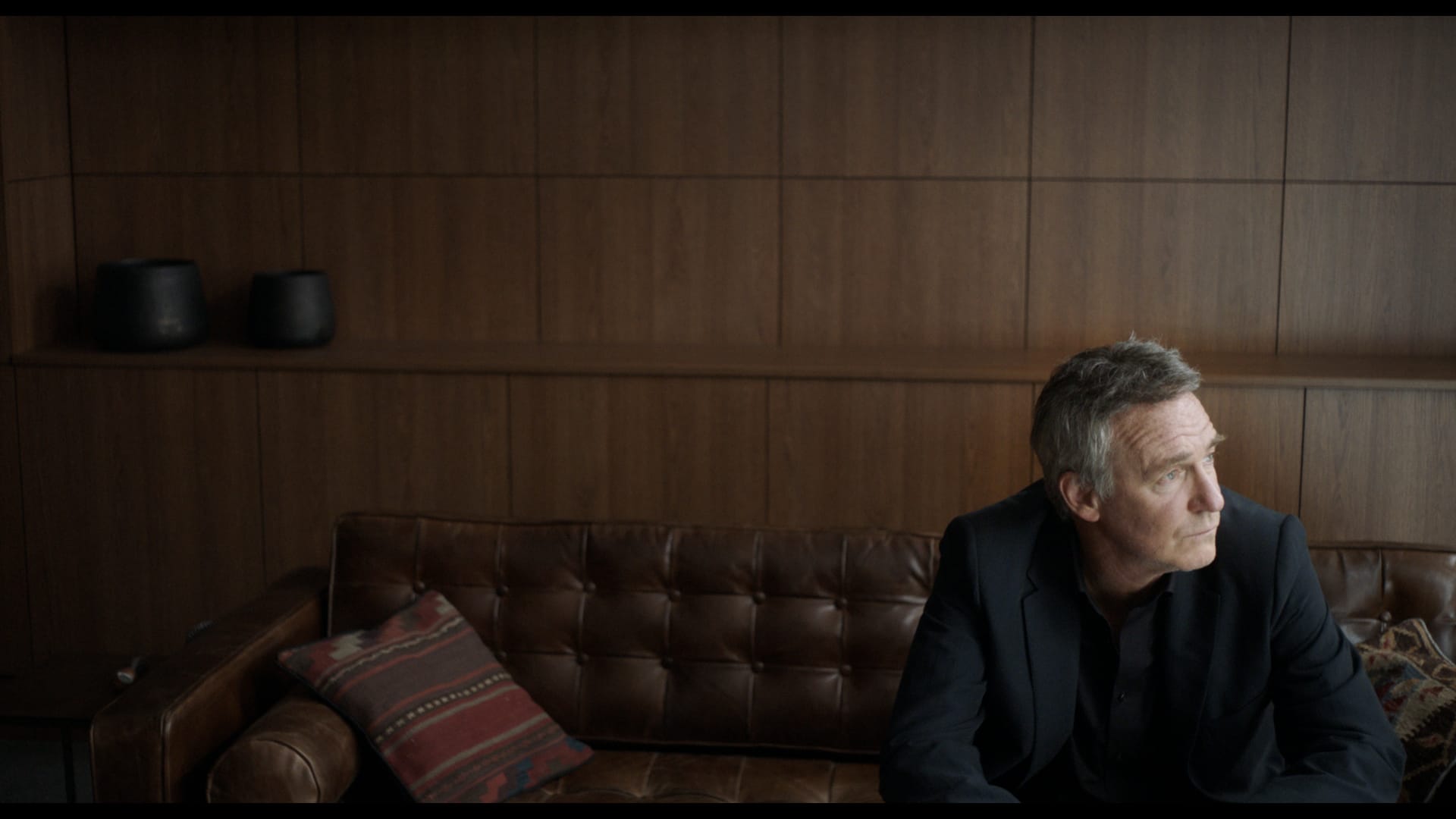
Michael Bertl (Head of Cin­e­matog­ra­phy at the DFFB) has been select­ed to par­tic­i­pate with his film “What Doesn´t Kill Us” (direct­ed by San­dra Net­tel­beck) at the Locarno Film Fes­ti­val 2018. The upcom­ing release in Ger­many will be on the 15th of Novem­ber 2018.

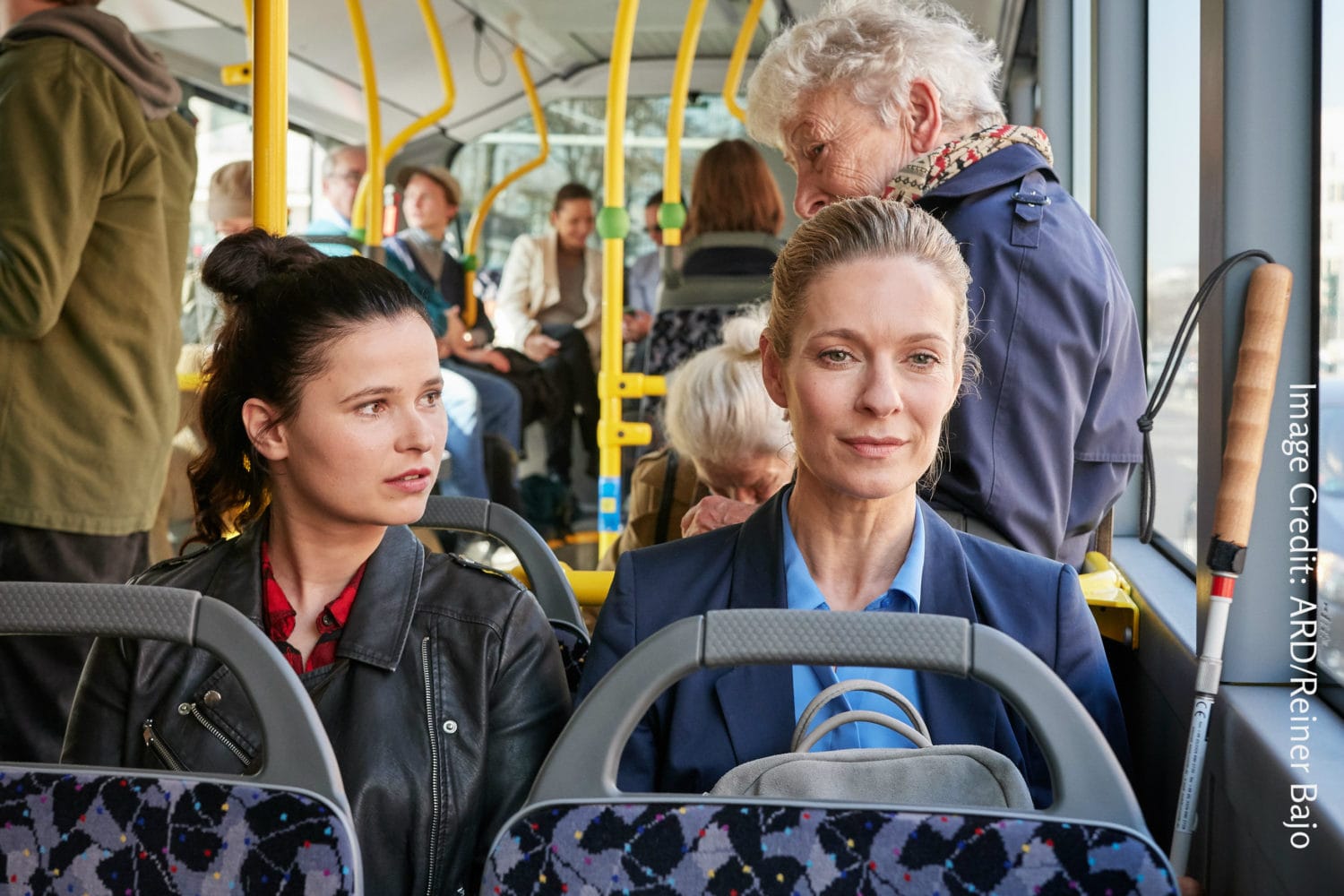
Syn­op­sis: As a divorced father of two teenage daugh­ters, with his ex-wife as best friend, too many pecu­liar patients and a new dog, psy­chother­a­pist Max doesn’t need anoth­er chal­lenge. But when Sophie, a com­pul­sive gam­bler with a boyfriend prob­lem, shows up late for her appoint­ment, she rocks his world and he falls in love with her. The more Max attempts to keep it pro­fes­sion­al, the more their lives get entan­gled. So how can he man­age to help her with­out get­ting involved? How can lov­ing her not lead to los­ing her alto­geth­er? Wrestling with his con­science and his heart, torn between the patient and the woman he loves, he has no choice but to stick to the famous air­plane rule: help your­self first before you can help oth­ers.

Trail­er

Locarno Film­fes­ti­val Pro­gram & Sec­tions

Łódź, FAMU and us!

The Cen­tral Europe Fea­ture Project is a devel­op­ment pro­gramme for stu­dents and grad­u­ates of the three schools — LODZ, FAMU and DFFB. This week the inter­na­tion­al film groups have been work­ing at Łódź Film School .

more –>

Anna De Paoli wins the New Ger­man Cin­e­ma Award at the Munich Film Fes­ti­val

We con­grat­u­late our senior lec­tur­er for pro­duc­tion and grad­u­ate Anna de Paoli, who was award­ed the Förder­preis Neues Deutsches Kino at the 36th Film­fest München as the best upcom­ing pro­duc­er. The jury empha­sizes her pro­duc­tion work for her new film A YOUNG MAN WITH HIGH POTENTIAL, as the film was made with­out the usu­al fund­ing from tele­vi­sions and can com­pete qual­i­ta­tive­ly with inter­na­tion­al stan­dards.

The full jury state­ment can be read here.

Con­grat­u­la­tions to our grad­u­ates!

This Sat­ur­day, the DFFB passed its grad­u­ates for this year, while Edgar Reitz gave a speech on the future of Ger­man cin­e­ma. Con­grat­u­la­tions to our grad­u­ates, who have built artis­tic per­son­al­i­ties and went through a long process­es. We wish them a good start into the pro­fes­sion­al world.

DFFB GOES FANTASY FILMFEST

Over the years, the Fan­ta­sy Film­fest has often shown stu­dent short films and grad­u­a­tion films. This year, the fes­ti­val would like to broad­en its scope and offer itself as a dis­cus­sion forum on the sta­tus of Ger­man genre cin­e­ma. For this pur­pose, the DFFB will have the oppor­tu­ni­ty to screen some the­mat­i­cal­ly suit­able works (short and/​or medi­um-length films) as part of the fes­ti­val, fol­lowed by a dis­cus­sion with the film­mak­ers /​ film team. The event is free of charge. We warm­ly invite friends, acquain­tances, film fans and fes­ti­val vis­i­tors to get to know what is pro­duced at Ger­man film schools in the field of genre film, and to exchange thoughts with the film­mak­ers. In addi­tion to the film selec­tion, there will be time for talks where we will be able to learn more about the direc­tors’ visions behind their films, the pro­duc­tion back­grounds, the filmmaker’s future plans and the sta­tus of Ger­man genre films, both in Ger­many and on the inter­na­tion­al mar­ket.

Loca­tion and date of the Berlin Spe­cial: Sun­day, 9th Sep­tem­ber 2018, mati­nee at Cines­tar at Pots­damer Platz (the exact time and pro­gramme TBA).

DFFB with 16 films at the 14th Achtung Berlin – New Berlin film Award.

The DFFB will be rep­re­sent­ed at the 14th Achtung Berlin – New Berlin Film Award (11.–18.04.2018) by 15 films in var­i­ous cat­e­gories. The week-long fes­ti­val has a focus on new Ger­man cin­e­ma from Berlin and Bran­den­burg. The fol­low­ing DFFB films will be pre­sent­ed in the Pro­gramme this year:

FEATURE FILM COMPETITION

SARAH JOUE UN LOUP-GAROU -(R: Katha­ri­na Wyss, B: Katha­ri­na Wyss, Josa Sesink, K: Armin Dierolf, P: Christophe Marzal)
AVA (R/​B: Sabine Nawrath, K: Max Preis, P: Ira und Alex Ton­dows­ki)                           LOMO – THE LANGUAGE OF MANY OTHERS (R: Julia Lang­hof, B: Thomas Ger­hold, Julia Lang­hof, K: Michal Grabows­ki, P: Eva Kemme, Mar­tin Heisler)
DETOUR (R: Nina Vukovic, B: Nina Vukovic & Ben­jamin Tal­sik, K: Tobias von dem Borne P: Ben­jamin Tal­sik)

MID-LENGTH FILM COMPETITION

SUMMER SATURN (R: Móni­ca Lima, B: Móni­ca Lima, Gonça­lo Bran­co, K: David Wil­helm Schmitt, P: Luise Hauschild)                                                                                                            DIE FROHE IRRUNG (R/​B: Ger­ald Som­mer­auer, K: Fran­cis­co MeCe, P: Leonie Minor, Eweli­na Rosin­s­ka)
NEVERMIND POLLY (R: Julia Milz, B: Lisa Rol­ing, K: Katha­ri­na Schelling, P: Lisa Rol­ing)
FREMDE (R: Tim Dün­schede, B: Marc Vogel, K: Hol­ger Jung­nick­el, P: Patrick Schorn)

SHORT FILM COMPETITION

LIEBESBRIEF (R/​B: Mar­cus Hanisch, K: Jasper Techel, P: Max­i­m­il­ian Becht)
NIKOTYNA (R/​B: Ewa Wikieł, K: Jesse Mazuch, P: Rox­ana Richters)
ZEIT DER UNRUHE (R/​B: Elsa Rosen­gren, K: Katha­ri­na Wahl, P: Nad­ja Rothkirch)
WALDGEIST (R: Lasse Hold­hus, B: Josef Ulbig, K: Anto­nia Lange, P: Hen­ning Wag­n­er, Nad­ja Rothkirch)
EXIT (R: Katha­ri­na Woll, K: Daniel Bin­st­ed, P: Dana Gal, Markus Kaatsch)

BERLIN INDEPENDENT

DER UNSICHTBARE FILM (R/​B: Anton Gonopol­s­ki, K: Anselm Belser, P: Karo­line Gülde­mann)

BERLIN DOCUMENTS

EGAL GIBT ES NICHT (R/​B: Flo­ri­an Hoff­mann, K: Car­men Tre­ichl, P: Tara Biere)

SPECIAL

EINFÜHRUNG IN EINE WAHRE GESCHICHTE DER DFFB (R/​B/​K/​P: Frank Behnke, Ste­fan Pethke, Julia Milz, Leonie Minor, Gior­gi Korkashvili, Lisa Rol­ing, Eweli­na Rosin­s­ka)

More infor­ma­tion on the 14th Achtung Berlin – New Berlin Film Award here.

FILMSPARKS — 50 Years DFFB: Hin­derk Emrich

The com­plex ques­tion posed to me is excit­ing because cin­e­ma is all about work­ing on and in a con­tra­dic­to­ry medi­um with many chal­lenges. The live­li­ness of the “cin­e­mat­ic expe­ri­ence” – strange­ly fic­tion­al, tech­ni­cal and also very real and sen­su­al, even “musi­cal” all at the same time – has a “way of touch­ing peo­ple” that leads to psy­cho­log­i­cal changes that extend right into the per­son­al and pro­fes­sion­al life and change it. The film­mak­er Jörg Gras­er once spoke of cin­e­ma as a sub­sti­tute for reli­gion and Gilles Deleuze of its “Catholi­cism.”

What does “influ­enc­ing the per­son” mean in this sense? Encoun­ters here are not only encoun­ters with indi­vid­u­als, but with a col­lec­tive and in some respects even “arche­typ­al” char­ac­ter. “Big films” radi­ate some­thing like a “super” indi­vid­ual being, cre­at­ed by a large group of peo­ple, who dri­ven by a cer­tain theme, shape the effec­tive­ness of an emo­tion­al and intel­lec­tu­al flu­id­i­ty, which is not only intel­lec­tu­al­ly, not mere­ly fac­tu­al for itself and oth­ers, but also resem­bles a simul­ta­ne­ous­ly indi­vid­ual and inter-per­son­al char­ac­ter.

In this sense, “encoun­ters” and psy­cho­log­i­cal changes are nev­er one-dimen­sion­al. Rather, peo­ple always express them­selves in res­o­nance with phe­nom­e­na, in forms of expe­ri­ence that over­lap and at the same time con­tra­dict each oth­er. Rain­er Wern­er Fass­binder, for exam­ple, as a deeply lone­ly per­son, has a con­stant kalei­do­scop­ic exchange with his staff and actors and (in the spir­it of Michael The­unis­sen and his book “Der Andere”) “trans­formed” him­self respec­tive­ly. To put it in Hegel’s words: we are what we are, always simul­ta­ne­ous­ly the oth­er of our­selves. This – in the realm of cin­e­ma – is trig­gered by the “nat­ur­al” char­ac­ter of the film expe­ri­ence, which is always fic­tion­al and yet at the same time tech­ni­cal­ly pro­duced.

In my case, a very ear­ly impres­sion came about through the fact that both my par­ents per­formed in the­atre plays as teach­ers, where­by I was allowed to act in plays writ­ten by my moth­er – on the stage and as a drum­mer in front of the stage – which had a strong for­ma­tive effect on me ear­ly on. At the age of thir­teen, I bought myself a 8‑mm film cam­era and my first great film expe­ri­ence was Kalatozov’s WENN DIE KRANICHE ZIEHEN (The Cranes Are Fly­ing), which effect­ed me so deeply that it became clear to me – great film can tru­ly be a work of art.

In my opin­ion, peo­ple are not so much shaped by facts as by the flu­id­i­ty that car­ries these facts. This flu­id­i­ty rep­re­sents an intel­lec­tu­al-spir­i­tu­al space, an inter­per­son­al, real­i­ty-cre­at­ing ener­gy in us – ulti­mate­ly a meta­phys­i­cal real­i­ty – that con­stant­ly shapes, trans­forms, and influ­ences us anew in our life. In this con­text, we often speak of trans­dis­ci­pli­nary sci­ences. But what does that mean? Today, trans­dis­ci­pli­nar­i­ty is usu­al­ly noth­ing more than pure addi­tion, not a real pen­e­tra­tion into a new field of knowl­edge in the sense of a deep­er dis­cov­ery, even an enlight­en­ment. Con­verse­ly, how­ev­er, it can be the case that knowl­edge in one field, e.g. psy­chi­a­try, psy­cho­analy­sis, or brain research applied to a com­plete­ly dif­fer­ent field, such as art or phi­los­o­phy, can pro­duce a com­plete­ly new per­spec­tive in the over­all con­text of “life”. In my pro­fes­sion as psy­chi­a­trist and psy­chother­a­pist, through expe­ri­ences in phi­los­o­phy and art, I have been able to fun­da­men­tal­ly pur­sue my pro­fes­sion in a new way and not only to endure the cer­tain grav­i­ty of the job of a psy­chi­a­trist, but also to exer­cise it with a new inter­est, new enthu­si­asm and new cre­ative pow­er, because the uni­ver­si­ty at which I was work­ing allowed me the free­dom to do so (Medi­zinis­che Hochschule Han­nover).

In my phi­los­o­phy stud­ies, I was influ­enced by pro­fes­sors such as Arno Baruzzi, Dieter Hen­rich, Robert Spae­mann (Munich) and Michael The­unis­sen (Berlin). Each of these philo­soph­i­cal per­son­al­i­ties exud­ed a tremen­dous res­o­nance in my life, for my intel­lec­tu­al, spir­i­tu­al for­ma­tion, which had a fun­da­men­tal effect on my pro­fes­sion as a psy­chi­a­trist and psy­chother­a­pist, because it was pre­cise­ly through philo­soph­i­cal reflec­tion that new ther­a­peu­tic and ana­lyt­i­cal per­spec­tives arose.

Inter­dis­ci­pli­nary, schol­ar­ly artis­tic and philo­soph­i­cal work can indeed lead to enor­mous break­throughs in knowl­edge and changed per­spec­tives in pro­fes­sion­al work and per­son­al­i­ty devel­op­ment. In my schiz­o­phre­nia research, for exam­ple, I took as my start­ing point a philo­soph­i­cal idea from the tran­scen­den­tal philoso­pher Johann Got­tlieb Fichte, who in his “Wis­senschaft­slehre” lays out the con­cep­tion of the “spon­tane­ity of I” and thus devel­ops the self-con­sti­tu­tion of the sub­ject and its con­struc­tive­ness. This has now been of enor­mous impor­tance for schiz­o­phre­nia the­o­ry with regard to the dilem­ma of inter­nal cen­sor­ship mech­a­nisms in the brain. In neu­ro­bi­o­log­i­cal brain research, my research group was able to prove the defec­tive con­nec­tiv­i­ty in the brain of schiz­o­phrenic peo­ple by using func­tion­al MRI (mag­net­ic res­o­nance imag­ing) mea­sure­ments.

The pos­si­bil­i­ty of such inves­ti­ga­tions has yield­ed fur­ther find­ings in the var­i­ous fields of psy­chi­a­try, e.g. also in the field of synaes­the­sia research. These results, how­ev­er, could only emerge on the basis of the syn­op­sis of psy­cho­log­i­cal, philo­soph­i­cal and ulti­mate­ly artis­tic intu­ition for psy­chi­atric anthro­pol­o­gy. All this, how­ev­er, was ulti­mate­ly trig­gered by a dream, about 35 years ago, a fever­ish dream in which F. Dos­toyevsky appeared to me and informed me: “You’ve read my nov­el The Dou­ble incor­rect­ly. It is not about the divi­sion of the ego in schiz­o­phre­nia, but rather about reveal­ing the pre­vi­ous dis­in­te­gra­tion – or “mul­ti­plic­i­ty” – which is revealed in psy­chosis. This dream expe­ri­ence led me down the “right path”, i.e. “All true life is an encounter,” as pro­posed by Mar­tin Buber. Through these encoun­ters we are con­stant­ly re-formed, recon­sti­tut­ed, new­ly devel­oped; through kalei­do­scop­ic con­tra­dic­tions, we are enabled not only to see hori­zons, but even to grow beyond them.

In a very sim­i­lar way, this was the case in artis­tic fields such as the film indus­try, where my first great expe­ri­ence was work­ing on shoot­ing the film “Abra­hams Gold” (1990) with Jörg Gras­er and star­ring Han­na Schygul­la, which began after a very seri­ous on-set acci­dent with the orig­i­nal actor Sibylle Canon­i­ca. At the time, I was shocked that the cre­ation of some­thing fic­tion­al (the film) could endan­ger someone’s life. Oth­er cru­cial encoun­ters were with pro­fes­sors at film schools: Siegfried Zielin­s­ki, Peter Lilien­thal, Jea­nine Meer­apfel, Rein­hard Hauff. I can still remem­ber when I showed the Amer­i­can film GIRL INTERRUPTED at the DFFB, in which the mov­ing fate of the bor­der­line patients is showed. After my talk, the stu­dents asked me, “Where are the boys with bor­der­line symp­toms?” And then one of the stu­dents answered spon­ta­neous­ly, “The boys are in prison.” This is one of the many expe­ri­ences, in many dif­fer­ent film schools, where I had the impres­sion again and again that I got more from the stu­dents – more or less gifts – and more than I was able to give myself.

The lec­tures at the HfG in Karl­sruhe, which I was allowed to give togeth­er with Edgar Reitz, were a par­tic­u­lar ray of light in this con­text. Our top­ic at the time was the dilem­ma of work­ing out a phi­los­o­phy of space in the cin­e­ma, a project that inspired us so much dur­ing our joint lec­tures that we decid­ed to pub­lish a dia­log­i­cal book on the sub­ject.

The main idea of this text is that “space in film” does not only rep­re­sent geo­met­ric dimen­sions, but rather val­ue worlds, rela­tion­ships of prox­im­i­ty and dis­tance, dom­i­nance and weak­ness. Par­tic­u­lar­ly excit­ing in this con­text is Edgar Reitz’s con­cept that in cin­e­ma there is a space that can’t exist – and this is where the cam­era stands.

FILMSPARKS — 50 years DFFB: Bela Tarr

It is almost impos­si­ble to explain why and when some­body becomes a film­mak­er. Usu­al­ly it hap­pens ran­dom­ly, and depends on the per­son. It is as unpre­dictable as an acci­dent, unstop­pable and unlearn­able. “Moments of learn­ing” nev­er stop. Some­times you come to under­stand some­thing because you were con­front­ed with your own stu­pid­i­ty. And some­times you need a lit­tle help from out­side. In 1975, I shot an ama­teur film on an 8‑mm cam­era. My social activ­i­ties put me in con­tact with a home­less fam­i­ly that had one child, and we became friends. They were squat­ting in the top floor of an emp­ty build­ing in a run-down area out­side of town. The order to vacate the premis­es came only a few days lat­er. In my out­rage at the sit­u­a­tion (which I still feel today), I decid­ed to at least doc­u­ment our shared sense of pow­er­less­ness.

And so, on a beau­ti­ful sum­mer’s morn­ing, we wait­ed for the author­i­ties to come. Two offi­cials showed up along with fur­ni­ture movers, six police offi­cers and a growl­ing dog. The child was afraid of the dog and hid behind his moth­er. The par­ents looked pale as they held on to one anoth­er, and I held up my Sovi­et-era cam­era in defi­ance. The next thing I saw as I looked through the viewfind­er was a big hand that cov­ered the lens.  They tore the cam­era out of my hands and took me away to the near­est police sta­tion. As they dragged me away, I saw how the police yelled at my friends and pushed them aside in order to get into the flat and start the evic­tion.

I remem­ber the police sta­tion very well: plas­tic-cov­ered walls, steel chairs, the Hun­gar­i­an Peo­ple’s Repub­lic seal behind glass and a sheet of press board used as a table. On the table was my cam­era, a present from my father on my four­teenth birth­day. They had tak­en the film out, but at least the cam­era was still there… But between me and the cam­era was an impass­able bar­ri­er: a huge police­man – huge to me, at least – who was there to keep watch of me. The weath­er that day was was a lit­tle too hot for the police­man. He scratched his stub­bly chin and scowled down at small, skin­ny me. Every now and then he impa­tient­ly ran his hand through his oily, frizzy hair. Drops of sweat were soaked up by his col­lar and trick­led down­wards behind his tie. All of the sud­den he grunt­ed, went over to the win­dow and opened it. The result was ter­ri­ble: through the bars there came a rush of bru­tal­ly hot air – and thou­sands of flies. He sat back down next to the cam­era and start­ed hit­ting the table with his fist as if he were try­ing to get the flies. His neck mus­cles stood out, his pupils grew larg­er and he seemed to be shak­ing with rage. If looks could kill, I would not be here today. Next he turned on the radio to hear the news. Even­tu­al­ly he had enough and turned it off. I think he did­n’t have the nerve to hear the weath­er fore­cast. He leaned back in his chair and wiped the sweat from his neck in utter mis­ery. That was when I began to under­stand: I was sit­ting in front of two hun­dred and forty pounds of mis­ery. It was this thought that made the threat seem small­er and small­er. I pic­tured his wife and chil­dren. His gar­den with a cheap cor­ru­gat­ed iron fence and a pig sty with a pig they could slaugh­ter for a par­ty in Feb­ru­ary.

His col­leagues final­ly returned seem­ing very pleased with the work they had done: a suc­cess­ful evic­tion. They weren’t inter­est­ed in me and my cam­era. My guard left imme­di­ate­ly. One of them looked over at me, shoved my cam­era into my hands and threw me out of the Mosoly street police sta­tion with a brief: “Get out of here!”

I can still see the fam­i­ly sit­ting togeth­er on their fur­ni­ture in the bar­racks’ court­yard: the child cling­ing to his ted­dy bear in tears and the par­ents glow­er­ing at me as if I had aban­doned them, because I did­n’t help them at the crit­i­cal moment. And that was because of the sil­ly idea to film it all…
In the end, they were prob­a­bly right to feel that way.