Author: Anna Zaluska

DFFB CELEBRATES SUCCESS AT THE FIRST STEPS AWARDS

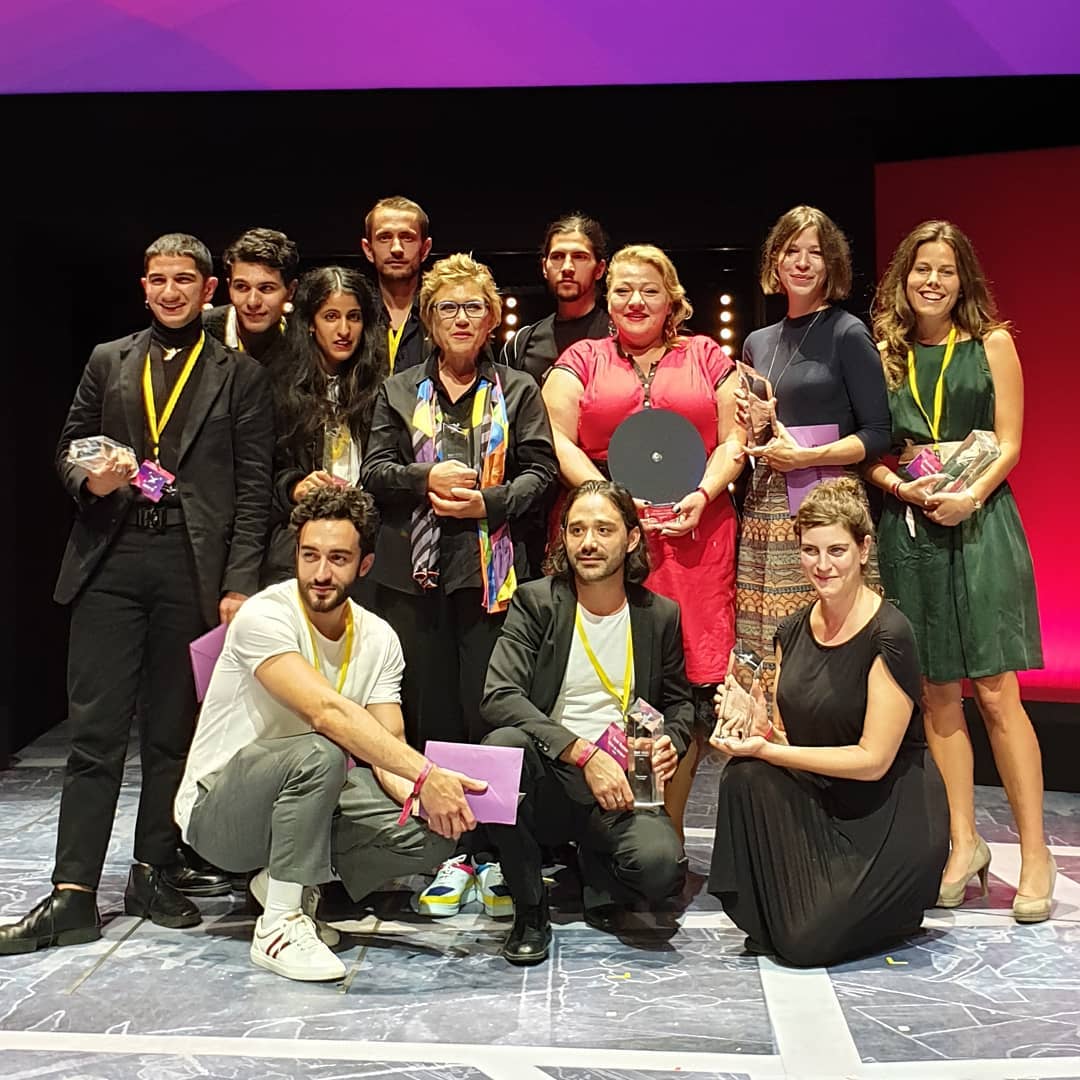
The Ger­man Film and Tele­vi­sion Acad­e­my Berlin is delight­ed to announce that two DFFB stu­dents received awards at the 20th FIRST STEPS AWARDS, which were pre­sent­ed yes­ter­day evening on the stage of the The­ater des West­ens:


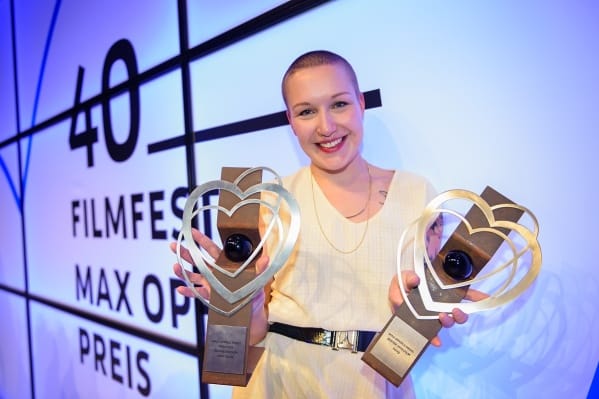
Author Jacob Haupt­mann received the FIRST STEPS SCREENPLAY PRIZE, which came with a €10,000 prize, for his screen­play ZEIT DER MONSTER. Oliv­er Ziegen­balg praised Hauptmann’s script in a pas­sion­ate speech on behalf of the jury, which also includ­ed Lau­ra Lack­mann, and Hei­de Schwo­chow: “In a fever­ish and fre­net­ic style, ZEIT DER MONSTER uses the exam­ple of an African infir­mary to tell the sto­ry of an entire nation slid­ing into the ter­ri­ble night­mare of war.”


Pro­duc­er Romana Janik received the NO FEAR AWARD for her work on the fea­ture film 1986 (direc­tor: Lothar Her­zog). The jury acclaimed Janik for her courage in tak­ing the risk to shoot a fea­ture film, detail­ing ille­gal trans­ports from the con­t­a­m­i­nat­ed Cher­nobyl zone, under chal­leng­ing con­di­tions in Belarus. The jury, con­sist­ing of Son­ja Heiss, Jochen Laube, Kat­ja Nicode­mus, Son­ja Rom and Kost­ja Ull­mann, con­clud­ed: “We would all like to shoot with this pro­duc­er!”


We warm­ly con­grat­u­late our two win­ners!


Pho­to: © Event­press /​ Har­ald Fuhr

Screen Dai­ly reports on SERIAL EYES and the DFFB

Two alum­ni of our SERIAL EYES pro­gramme have been fea­tured in an arti­cle on the renowned indus­try web­site SCREEN DAILY (a branch of the British SCREEN INTERNATIONAL). Judit Ban­hazi from Hun­gary and Ivan Kneže­vić from Ser­bia are two of the five up-and-com­ing tal­ent­ed screen­writ­ers from South­east Europe.

“Germany’s lead­ing film and TV school, Berlin DFFB, offers Ser­i­al Eyes, a post­grad­u­ate train­ing pro­gramme for tele­vi­sion writ­ers and pro­duc­ers that is wide­ly regard­ed as the most use­ful such plat­form in Europe.”

Ben­jamin Har­ris, head of pro­gramme for SERIAL EYES, explains the unique char­ac­ter­is­tics of these South­east Euro­pean authors:

“We’ve been very lucky to have had great young tal­ents from the [South­east Europe] region in almost every train­ing cycle. There are dif­fer­ent sen­si­bil­i­ties from these writ­ers than what we are used to from West­ern Euro­pean writ­ers. For exam­ple, even though many of our writ­ers are too young to have expe­ri­enced Com­mu­nism per se, they were often there for the upheavals and immense change that were the 1990s, or are now expe­ri­enc­ing the after­math of those tran­si­tion­al years.”

“In the writ­ing there is often an open­ness for change and tran­si­tion, but with a cer­tain play­ful­ness,” he con­tin­ues. “The writ­ers are more will­ing to explore new things, new ideas, and even old issues with a new set of eyes. The sto­ries show an aware­ness of the seri­ous­ness of the social real­i­ties of their own cul­tures – crime, polit­i­cal cor­rup­tion, social inequal­i­ty – but these themes are often dealt with in unex­pect­ed ways. There is less inhi­bi­tion to mix gen­res and tones and stark, gris­ly dra­ma exists side by side with almost absur­dist com­e­dy.”

The arti­cle can be read in its entire­ty here.

DFFB cel­e­brates five nom­i­na­tions for the First Steps Awards

The 20th First First Steps Awards will be pre­sent­ed on Sep­tem­ber 9, 2019, and the DFFB is delight­ed to have five nom­i­na­tions for these cov­et­ed awards:

Direc­tor Susanne Hein­rich’s fea­ture film DAS MELANCHOLISCHE MÄDCHEN has been nom­i­nat­ed for the best fea­ture-length film, which comes with a €25,000 prize.

Direc­tor Lothar Her­zog’s fea­ture film 1986 has also been nom­i­nat­ed in the same cat­e­go­ry.

Cin­e­matog­ra­ph­er Agnesh Pakoz­di is nom­i­nat­ed for the MICHAEL BALLHAUS PRIZE, which comes with a €10,000 prize, for her work on DAS MELANCHOLISCHE MÄDCHEN.

Pro­duc­er Romana Janik is nom­i­nat­ed for the NO FEAR AWARD, which comes with a €10,000 prize, for her work on the film 1986.

And final­ly, Jacob Haupt­mann’s screen­play ZEIT DER MONSTER is nom­i­nat­ed for the FIRST STEPS SCREENPLAY PRIZE, which comes with a €10,000 prize.


About the films/​screenplay

DAS MELANCHOLISCHE MÄDCHEN

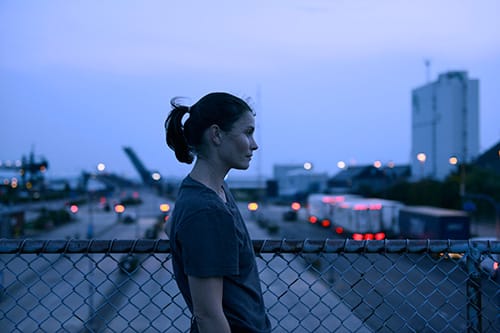
A girl roams through the city look­ing for a place to sleep. Along the way she meets young moth­ers who cel­e­brate moth­er­hood reli­gious­ly, goes home with an absti­nent exis­ten­tial­ist for whom sex is “just anoth­er mar­ket”, and waits for the end of cap­i­tal­ism in a drag bar. Her attempt to write a book doesn’t make it beyond the first sen­tence of the sec­ond chap­ter, and she finds no space between art gal­leries, yoga stu­dios, and the beds of strangers. Instead of try­ing to fit in, she starts per­ceiv­ing her depres­sion as a polit­i­cal issue. Through 15 of the girl’s humor­ous encoun­ters, DAS MELANCHOLISCHE MÄDCHEN, explores our post-mod­ern soci­ety between pre­car­i­ty and self-mar­ket­ing, ser­i­al monogamy and neo-spir­i­tu­al­i­ty, dis­il­lu­sion­ment and the pres­sure to be hap­py. Susanne Heinrich’s debut film brings togeth­er pop and the­o­ry, fem­i­nism and humour, and gives you tons of quotes you’ll want to see on adver­tis­ing bill­boards in neon let­ters.


1986

Ele­na is a stu­dent in Min­sk, Belarus. She has a pas­sion­ate but increas­ing­ly dif­fi­cult rela­tion­ship with her boyfriend Vic­tor. When her father is sud­den­ly arrest­ed, she has to con­tin­ue his ille­gal busi­ness­es. In order to make deals for him, she must repeat­ed­ly dri­ve into the ‘for­bid­den zone’ of Tch­er­nobyl. She is fas­ci­nat­ed by the zone’s decep­tive beauty—but soon her life seems con­t­a­m­i­nat­ed by a destruc­tive force…


ZEIT DER MONSTER

It’s the sum­mer of 1914, just before the begin­ning of the First World War. Elsa (19), a nurse with a strict Calvin­ist upbring­ing, takes a posi­tion in a remote hos­pi­tal ward in the Ger­man colony of Cameroon. While the lead­ing physi­cian Alexan­der (37), with Elsa’s help, rig­or­ous­ly pur­sues his research to cre­ate a drug against nar­colep­sy, his wife Lydia (28) strug­gles to find mean­ing in her life. When Elsa dis­cov­ers sev­er­al poi­soned ani­mals in the infir­mary, the com­man­der of the near­est police force begins to inves­ti­gate the case with bru­tal meth­ods. The irrup­tion of vio­lence caus­es the already frag­ile struc­ture of the infir­mary to col­lapse and brings repressed desires to the sur­face, which plunges Elsa’s ordered world view into chaos.

DIE EINZELTEILE DER LIEBE in cin­e­mas from 22.08.2019

The grad­u­a­tion film DIE EINZELTEILE DER LIEBE (direct­ed and writ­ten by Miri­am Bliese, cin­e­matog­ra­phy by Markus Koob, and pro­duced by Clemens Köstlin) will be released in Ger­man cin­e­mas on 22 August with the help of Arse­nal Filmver­leih!

The film, which cel­e­brat­ed its world pre­miere at this year’s Berli­nale, will be screened in the fol­low­ing cin­e­mas:

BERLIN: City Kino Wed­ding, fsk-Kino, Kino in der Brot­fab­rik, Wolf Kino, Soho House

MAGDEBURG: Moritzhof

AACHEN: Apol­lo

MÜNSTER: Cin­e­ma

FREIBURG: Har­monie

HEILBRONN: Kinos­tar Arthaus

HAMBURG: Aba­ton

HANNOVER: Kino im Kün­stler­haus

DRESDEN: Kino im Dach

LEIPZIG: Pas­sage Kinos

NÜRNBERG: Casablan­ca

SEEFELD: Kino Bre­it­wand

STUTTGART: Del­phi

TÜBINGEN: Ate­lier


Gre­gor Bozic‘s grad­u­a­tion film STORIES FROM THE CHESTNUT WOODS at the Toron­to Inter­na­tion­al Film Fes­ti­val

We are pleased to announce that Gre­gor Bozic‘s grad­u­a­tion film STORIES FROM THE CHESTNUT WOODS will cel­e­brate its world pre­miere at the renowned Toron­to Inter­na­tion­al Film Fes­ti­val (TIFF) in the Dis­cov­ery sec­tion.

The film is a fairy­tale that takes place in the post-war peri­od on the Yugosla­vian-Ital­ian bor­der and explores the themes of new begin­nings and tran­sience.

STORIES FROM THE CHESTNUT WOODS is a Sloven­ian-Ital­ian-Ger­man co-pro­duc­tion by Nosoro­gi, Trans­me­dia Pro­duc­tion, RTV Slove­nia, and the DFFB.

GIRAFFE – the new film by alum­na Anna Sofie Hart­mann cel­e­brates its world pre­mier at Locarno

Our grad­u­ate Anna Sofie Hart­mann and her film GIRAFFE were invit­ed to Locarno Film Fes­ti­val. GIRAFFE will be pre­sent­ed in the Fuori Con­cor­so sec­tion. The Ger­man-Dan­ish copro­duc­tion was pro­duced by Kom­plizen Film in copro­duc­tion with Pro­file Pic­tures and rbb Fernse­hen.

Hart­mann worked on the film with oth­er DFFB grad­u­ates and stu­dents, includ­ing:

Jen­ny Lou Ziegel (DoP), Jonas Dorn­bach (pro­duc­er), Ben von Dobe­neck (line pro­duc­er), and Daria Wich­man (pro­duc­tion man­ag­er).

We warm­ly con­grat­u­late the whole team!

Source: http://​www​.kom​plizen​film​.de/​d​/​f​i​l​m​s​/​g​i​r​a​f​f​e​.​h​tml

DFFB stu­dent Mireya Hei­der de Jahnsen wins the Deutsch­er Nach­wuchs-Drehbuch­preis (Ger­man Screen­play Award for Emerg­ing Screen­writ­ers)

On June 7, 2019, DFFB screen­writ­ing stu­dent Mireya Hei­der de Jahnsen won the first Deutschen Nach­wuchs-Drehbuch­preis from Up & Com­ing for her screen­play LOST LUGGAGE. The award comes with €2,000 in prize mon­ey pro­vid­ed by the Fed­er­al Min­istry of Edu­ca­tion and Research (BMBF) and by an author spon­sor­ship. The Ver­band Deutsch­er Drehbuchau­toren (VDD) (Asso­ci­a­tion of Ger­man Screen­writ­ers) also donat­ed a one-year junior mem­ber­ship.

LOST LUGGAGE: “A dis­as­ter film with­out a dis­as­ter by Mireya Hei­der de Jahnsen.”

…or a film with­out an on-screen dis­as­ter. In her fea­ture-length screen­play, Hei­der de Jahnsen tells the sto­ry of two sis­ters who both work for the same air­line, until one of them fails to return home. In the here­after of the plane crash, the sur­vivors are left to face their dev­as­ta­tion. The jurors not­ed, “The read­er is very close to the char­ac­ters, mov­ing through the dif­fer­ent lay­ers of their psy­ches. The young screenwriter’s obser­va­tion pow­ers are enor­mous. Tonight, she is receiv­ing the first Ger­man Screen­play Award for Emerg­ing Screen­writ­ers to help her con­tin­ue to devel­op her unique cin­e­mat­ic per­spec­tive.”

We warm­ly con­grat­u­late Mireya on her award!

The DFFB at the 15th Achtung Berlin — New Berlin Film Award

The DFFB is rep­re­sent­ed at the 15th Achtung Berlin ‑New Berlin Film Award (10.–17.4.2019) with 15 film con­tri­bu­tions in dif­fer­ent cat­e­gories. The one-week fes­ti­val has spe­cialised in new Ger­man cin­e­ma from Berlin and Bran­den­burg and is an impor­tant plat­form for young tal­ents from this region. The fol­low­ing DFFB films are part of the pro­gramme:

WETTBEWERB SPIELFILM

DAS MELANCHOLISCHE MÄDCHEN (R/​B: Susanne Hein­rich, K: Agnes Pakoz­di, P: Jana Kreissl)

DREISSIG (R/​B: Simona Kos­to­va, K: Anselm Belser, P: Cey­lan-Ale­jan­dro Ata­man-Checa)

LIEBESFILM (R/​B: Robert Bohrer/​Emma Rosa Simon, K: Emma Rosa Simon)

SMILE (R: Stef­fen Köhn, B: Silke Eggert, Stef­fen Köhn, Pro­dro­mos Anto­niadis, K: Mario Krause, P: René Frotsch­er)

WETTBEWERB MITTELLANGER FILM

DER KUSS DES HONIGDACHSES (R: Bas­t­ian Gascho, B: Philipp Gärt­ner, Bas­t­ian Gascho, K: Nor­win Hatschbach, P: Eweli­na Rosinska/​Leonie Minor)

LINGER ON SOME PALE BLUE DOT (R/​B: Alexan­dre Koberidze, K: Mei­dan Ara­ma, P: Dana Gal)

WETTBEWERB KURZFILM

DER JUNGE IM KAROHEMD (R/​B: Alek­san­dra Odić, K: Katha­ri­na Wahl, P: Ibrahim-Utku Erdo­gan)

DIE SPIELER (R/​B: Samuel Auer, K: Lukas Eylandt, P: Tama­ra Erbe & Tobias Gaede)

HISTORIA MAGISTRA VITAE (R/​B/​K/​P: Tama­ra Erbe)

ICH GEH JETZT (R/​B: Oliv­er Moser, K: Moritz Friese, P: Romana Janik)
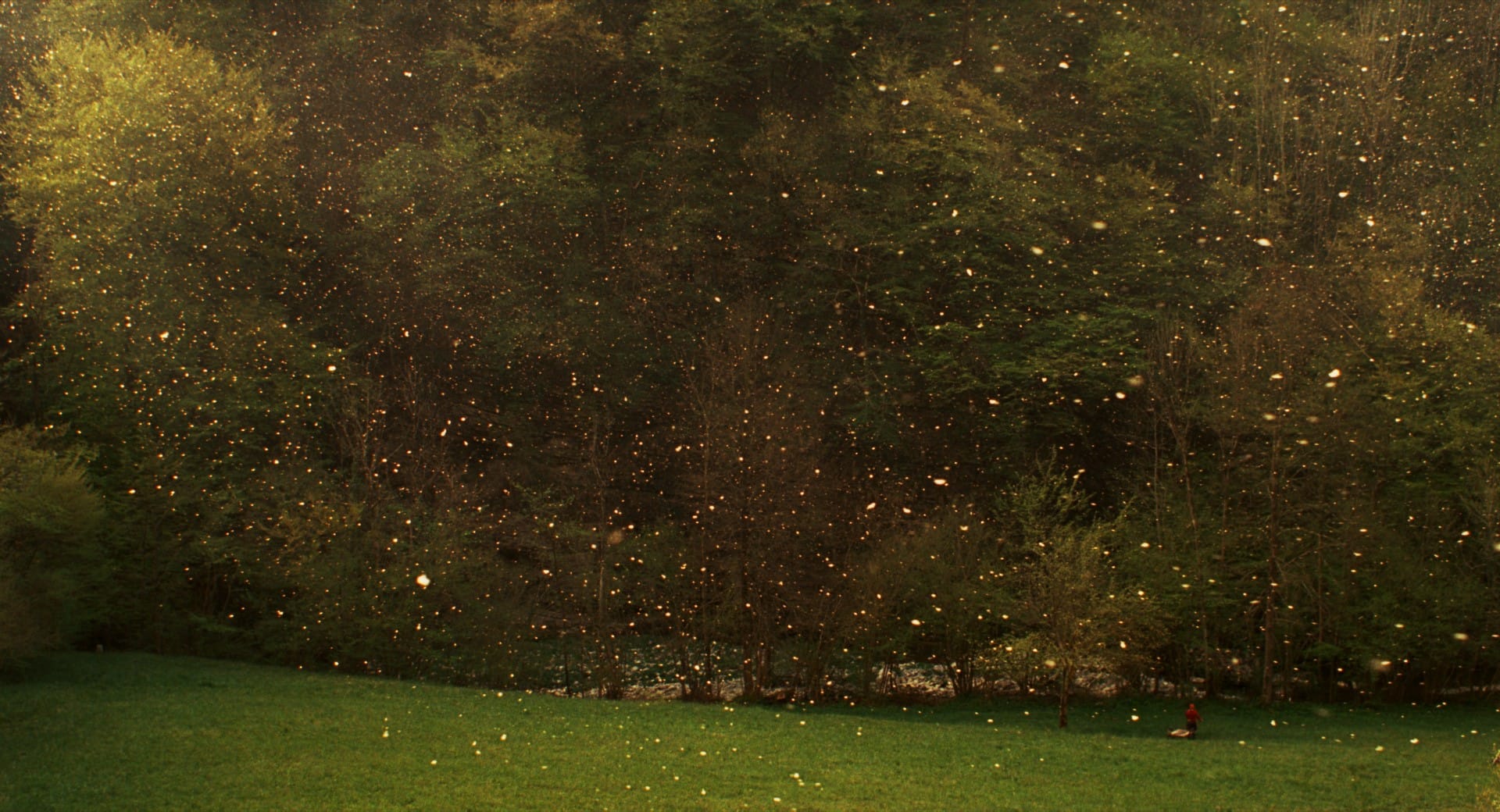
LICHT, DAS DURCH BÄUME GESCHIENEN HABEN WIRD (R/​B/​K/​P: Anselm Belser)

LUI (R: Janin Halisch, B: Isabel­la Parise Oliveira Kröger, K: Car­men Tre­ichl, P: Clara Gerst)

MINDEN RENDBEN (R/​B: Bor­bála Nagy, K: Con­stan­tin Campean, P: Luise Hauschild)

TOM SCHÄFER (R: Ger­ald Som­mer­auer, B: Isabel­la Kröger, K: Jasper Techel, P: Clara Gerst)

WETTBEWERB DOKUMENTARFILM

LET THE BELL RING (R/​B: Christin Fre­itag, K: Max Preiss, P: Eva Kemme, Tobias Siebert, Ans­gar Frerich)

Fur­ther infor­ma­tion about the fes­ti­val and the pro­gram can be found here.

Three prizes for DFFB films at the 40th Max Ophüls Prize Film Fes­ti­val

At the 40th film fes­ti­val Max Ophüls Preis (14.–20.1.2019) in Saar­brück­en two DFFB films were award­ed three prizes. LET THE BELL RING (R/​B: Christin Fre­itag, K: Max Preiss, P: Eva Kemme, Tobias Siebert, Ans­gar Frerich) won the prize for the best music in a doc­u­men­tary and DAS MELANCHOLISCHE MÄDCHEN (R/​B: Susanne Hein­rich, K: Agnes Pakoz­di, P: Jana Kreissl) won the prize of the ecu­meni­cal jury as well as the prize for the best fea­ture film.

The jury jus­ti­fies its deci­sion for LET THE BELL RING as fol­lows: “Vir­tu­os wer­den pulsierende Song-Pro­duk­tio­nen mit Score-Musik ver­webt, gekon­nt wer­den pathetis­che Musikklis­chees ver­mieden. Ener­getisch verdichtet sich die Musik immer mehr bis hin zum pack­enden Finale. Doku­men­tarfilme feiern das Leben. Die Film­musik von Jonathan Ritzel feiert den Traum des Box­ers Mal­com mit ein­er Kar­riere als Profi­box­er zu reüssieren und begleit­et ihn auf sein­er Helden­reise.“

The jury con­cretizes their deci­sion for DAS MELANCHOLISCHE MÄDCHEN as fol­lows: „Unendlich komisch und gle­ichzeit­ig tod­trau­rig, bis ins Detail kom­ponierte Bilder, poet­is­che Dialoge, in denen Beziehun­gen zum Lifestyle erko­ren wer­den. Der Blick für den anderen verbleibt in der Leere. Die eigen­willig-kon­se­quente Bild­sprache eröffnet Leer­stellen und Räume zum Wei­t­er­denken. Scho­nungs­los und präzise wer­den gesellschaftliche Zustände vorge­führt, hin­ter­fragt und an die Zuschauen­den weit­ergegeben. Eine junge Frau wird zur Symp­tomträgerin ein­er Gesellschaft, die ihre Glücksver­sprechen nicht ein­löst.“

The com­plete state­ments can be read here.