Author: Anna Zaluska

DFFB films at the achtung berlin film fes­ti­val

Sev­er­al stu­dent films are fea­tured at this year’s achtung berlin film­fes­ti­val (15–22 April 2026). Every year, the fes­ti­val show­cas­es the lat­est film pro­duc­tions from Berlin and Bran­den­burg – high­light­ing the diver­si­ty and artis­tic strength of region­al film­mak­ing.

The fes­ti­val kicks off with the DFFB grad­u­a­tion film MAMBO MATERNICA by Bor­bála Nagy (DoP: Moritz Friese, E: Lás­zló Dunai, P: Mar­gari­ta Amine­va-Jester, Daria Wich­mann): it cel­e­brates its Ger­man pre­miere on 15 April at the Colos­se­um cin­e­ma – there­by offi­cial­ly open­ing the fes­ti­val. In the fea­ture film com­pe­ti­tion, the film tells the sto­ry of three women in Europe who are at turn­ing points in their lives and are seek­ing their own path to self-deter­mi­na­tion amidst the desire to have chil­dren, preg­nan­cy and soci­etal expec­ta­tions.

The DFFB is also strong­ly rep­re­sent­ed in the doc­u­men­tary film sec­tion: A JEWISH PROBLEM von Ron Roth­schild (DoP: Ron Roth­schild, Julien May­er, Fion Mutert, Masha Biller, Sina Aghaz­adeh, E: Astrid Hohle Hansen, P: Yusuf Celik) explores the ques­tion of Jew­ish iden­ti­ty in the present day and exam­ines both per­son­al and soci­etal per­spec­tives. Klara Hard­en takes an inti­mate approach to the theme of moth­er­hood in WOMAN/​MOTHER which brings to light indi­vid­ual expe­ri­ences caught between con­flict­ing social expec­ta­tions.

Four fur­ther works are com­pet­ing in the short film com­pe­ti­tion – and demon­strate the breadth of cin­e­mat­ic approach­es: EVERYTHING WE WANT TO KNOW (D/​S: Julia Ketel­hut, DoP: Julien May­er, P: Julia Ketel­hut, Julien May­er) explores ques­tions of knowl­edge, per­cep­tion and per­son­al ori­en­ta­tion in every­day life. In THE BRACELET (D/​S: Ari­na Cher­no­va, Jer­ri Baza­ta, DoP: Masha Biller, P: Jer­ri Baza­ta, Ari­na Cher­no­va, E: Robert Franz, Ari­na Cher­no­va), a seem­ing­ly small object becomes the start­ing point for a sto­ry about mem­o­ry, rela­tion­ships and hid­den mean­ings. And PROTAGONIST (D/​S: Nathalie Sei­dl, DoP: Ari Salazar, P: Tanya Tsygano­va, E: Celine Jünger) explores iden­ti­ty as a play between per­for­mance and real­i­ty. AN ARM IS AN ARM IS AN ARM (D/​S/​M/​P: Bas­t­ian Gascho, DoP: Sel­ma von Pol­heim Gravesen) links a con­ver­sa­tion between two friends about bod­i­ly per­cep­tion and loss to a qui­et image of tran­sience.

Posi­tioned between these for­mats, THE PLANT FROM THE CANARIES (D: Ruan Lan-Xi, DoP: Jonathan Steil) fea­tures in the com­pe­ti­tion for medi­um-length films. Through poet­ic imagery, the film explores migra­tion, belong­ing and the search for iden­ti­ty.

Grad­u­ate pro­duc­tions in the fes­ti­val pro­gramme

Not only cur­rent stu­dents but also DFFB grad­u­ates are shap­ing this year’s pro­gramme: In the fea­ture film com­pe­ti­tion, SOLO SHOW (S: Julia Rose Gostyn­s­ki) is screen­ing, a film about frag­ile self-images and their grad­ual shat­ter­ing. In the medi­um-length for­mat, DIE UNVERZICHTBAREN (D/​S: Flo­ri­an Hoff­mann) turns its gaze towards those whose often invis­i­ble work under­pins the fab­ric of soci­ety. And in the short film DADDY, KOMPLEX (D/​S: Mireya Hei­der de Jahnsen), the focus is on fam­i­ly influ­ences, author­i­ty and emo­tion­al depen­den­cies. The Berlin Spot­lights sec­tion also fea­tures BALANCE (S/​P: Ina-Lene Dinse), which tells the sto­ry of a father-daugh­ter encounter in which close­ness, dis­tance and unspo­ken con­flicts col­lide.

This cre­ates a mul­ti­fac­eted pic­ture of the Academy’s work: doc­u­men­tary and fic­tion­al, focused and exper­i­men­tal – and close­ly linked to the Berlin film scene, which it sig­nif­i­cant­ly shapes.

The DFFB con­grat­u­lates all the film­mak­ers involved on their invi­ta­tion and wish­es the films every suc­cess at the fes­ti­val!

Strong DFFB pres­ence at the Berli­nale 2026

Numer­ous projects by our stu­dents, alum­ni and lec­tur­ers are rep­re­sent­ed at the 76th Berli­nale – both in the offi­cial pro­gramme and in oth­er areas of the fes­ti­val.

MY Wife CRIES by alum­na Angela Schan­elec is in the offi­cial selec­tion for this year’s com­pe­ti­tion. The film was pro­duced by alum­nus Kir­ill Krasovs­ki, with stu­dent Raf­fael­lo Lup­perg­er as post-pro­duc­tion con­sul­tant. Alum­nae Car­lot­ta Cornehl and Leonie Schäfer were also involved in the pro­duc­tion of the open­ing film NO GOOD MEN.

SCENARIO by Marie Wilke will cel­e­brate its world pre­miere in the Forum. The pro­duc­er is alum­nus Heino Deck­ert. THE EDUCATION OF JANE CUMMING, writ­ten by alum­na Sophie Held­man, will be shown in the Panora­ma sec­tion.

Numer­ous DFFB con­trib­u­tors are also rep­re­sent­ed in the rest of the fes­ti­val pro­gramme: Lec­tur­er in cin­e­matog­ra­phy Jen­ny Lou Ziegel was the cin­e­matog­ra­ph­er for FOREIGN TRAVEL. BERLIN, BAHNHOF FRIEDRICHSTRASSE 1990 was realised by Lil­ly Grote (direc­tor and cin­e­matog­ra­ph­er). Ana-Feli­cia Scutel­nicu plays the pro­tag­o­nist in CHRONOS – THE FLOW OF TIME. Alum­nus Fred Burle was exec­u­tive pro­duc­er of FEITO PIPA.

Jonas Dorn­bach is co-pro­duc­er of HOME STORIES and of UNA MUJER FANTÁSTICA, which will be shown again as part of the 40th anniver­sary of the Ted­dy Award, the queer film prize. Alum­ni Hel­ga Rei­de­meis­ter and Johann Feindt are rep­re­sent­ed in the pro­gramme with IN THE SPLENDOUR OF HAPPINESS.

Frank Behnke was respon­si­ble for the sound design of the clas­sic RUN LOLA RUN, which is being shown this year as part of the ret­ro­spec­tive. The cam­era work for WHERE TO?, which is cel­e­brat­ing its world pre­miere in the Per­spec­tives sec­tion, was done by stu­dent Maayane Bouh­nik.

This year’s Berli­nale ret­ro­spec­tive also hon­ours alum­nus, film­mak­er and media artist Harun Faroc­ki and shows, among oth­er things, VIDEOGRAMS OF A REVOLUTION.

Beyond the film pro­grammes, mem­bers of the DFFB are also present on cen­tral plat­forms of the fes­ti­val: Daniel Beschaareti is a mem­ber of the Gen Z Audi­ence Award jury. At the Euro­pean Film Mar­ket, screen­writ­ing alum­na Isabelle Oliveira Parise Kröger will present her project WETLANDS as part of ‘Series Match: Ger­many & Ibero-Amer­i­ca’ at the Berli­nale Series Mar­ket.

This diverse par­tic­i­pa­tion under­scores the DFF­B’s strong pres­ence at the 2026 Berli­nale and its close ties to the inter­na­tion­al film indus­try. The com­plete Berli­nale pro­gramme can be found here.

DOG nom­i­nat­ed for the Ger­man Film Crit­ics’ Award 2025

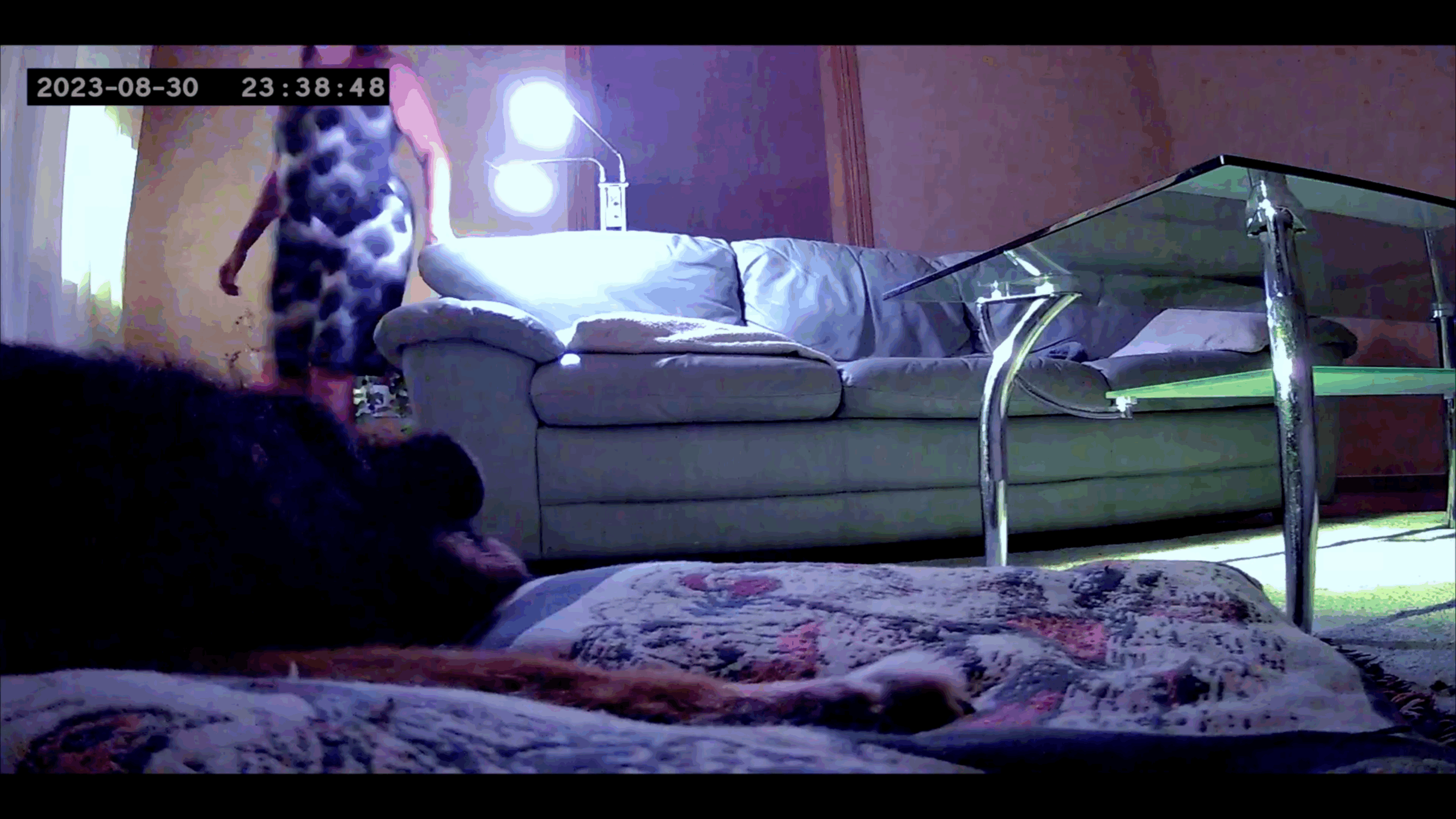
Great recog­ni­tion for film­mak­ers asso­ci­at­ed with the DFFB: the stort­film DOG by Marieke de Zwaan and sev­er­al DFFB alum­ni have been nom­i­nat­ed for the 2025 Ger­man Film Crit­ics’ Award.

In DOG, a taxi dri­ver checks in on his dog through a pet cam­era installed at home. When his wife appears on screen, he uses the dog as an excuse to engage with her. A qui­et, sub­tly sex­u­al­ly charged atmos­phere of dis­tance and close­ness unfolds.

Alum­nus Chris­t­ian Pet­zold’s film has received mul­ti­ple nom­i­na­tions for MIROIRS NO. 3 – in the cat­e­gories of Best Cin­e­matog­ra­phy, Best Actor and Best Pro­duc­tion Design. Julian Radl­maier has also been nom­i­nat­ed in sev­er­al cat­e­gories for his lat­est film PHANTOMS OF JULY: Best Fea­ture Film, Best Screen­play and Best Edit­ing. Fur­ther nom­i­na­tions go to Eliza Petko­va for her doc­u­men­tary SILENT OBSERVERS and to the direct­ing duo Anna Koch and Julia Lemke for Best Chil­dren’s Film with CIRCUSBOY.

The Ger­man Film Crit­ics’ Award, pre­sent­ed annu­al­ly by the Asso­ci­a­tion of Ger­man Film Crit­ics, is one of the most impor­tant inde­pen­dent awards for out­stand­ing artis­tic film­mak­ing in Ger­many. The nom­i­na­tions recog­nise excep­tion­al cin­e­mat­ic styles and social­ly rel­e­vant per­spec­tives.

The 2026 Ger­man Film Crit­ics’ Award cer­e­mo­ny will take place on Sun­day, 15 Feb­ru­ary at the Acad­e­my of Arts.

We con­grat­u­late all the nom­i­nees and wish them every suc­cess at the awards cer­e­mo­ny.

THE GOOD SISTER opens nation­wide in cin­e­mas on 8 Jan­u­ary 2026.

Fol­low­ing its world pre­miere at the Berli­nale, where it won the Best Fea­ture Film award at the 2025 First Steps Awards, THE GOOD SISTER is now being released in cin­e­mas across the coun­try.

The film tells the sto­ry of Rose, who tem­porar­i­ly moves in with her old­er broth­er Sam fol­low­ing a break-up. The close bond between the sib­lings is test­ed when Sam is accused of rap­ing a woman. For Rose, a painful inner con­flict begins, pit­ting fam­i­ly loy­al­ty against the ques­tions of respon­si­bil­i­ty and truth.

Direc­tor Sarah Miro Fis­ch­er sen­si­tive­ly tells the sto­ry of two sib­lings whose rela­tion­ship is shak­en by an out­ra­geous sus­pi­cion. The mul­ti-lay­ered, phys­i­cal­ly nuanced per­for­mances of Marie Bloching and Anton Weil lend the con­flict of love and con­science pre­cise emo­tion­al depth through their use of few words. THE GOOD SISTER is a film with­out easy answers, one that touch­es the view­er and lingers long after the cred­its roll.

All screen­ing dates can be found here.

ArteKino Fes­ti­val 2025: Anniver­sary edi­tion with two pro­duc­tions from the DFFB

From 1 to 31 Decem­ber 2025, twelve new fea­ture films and doc­u­men­taries from eight coun­tries will be avail­able to watch for free at arte​.tv/​a​r​t​e​k​i​n​o​f​e​s​t​i​val in 32 coun­tries and six lan­guages. The DFFB is rep­re­sent­ed by two Ger­man con­tri­bu­tions:

ARTHUR & DIANA tells the sto­ry of a chaot­ic road trip deal­ing with fam­i­ly role mod­els and fears of social decline. This aut­ofic­tion­al exper­i­ment is a trans-Euro­pean road movie in which doc­u­men­tary film and con­struct­ed real­i­ty merge.

WHO IF NOT US doc­u­ments the lives of young Ukrain­ian artists in wartime, show­cas­ing their cre­ativ­i­ty and self-asser­tion. Despite dis­place­ment and uncer­tain­ty, they focus on com­mu­ni­ty and hope, and embody the unshake­able spir­it of their gen­er­a­tion.

Two prizes will be award­ed dur­ing the fes­ti­val: the Euro­pean Audi­ence Award (€20,000) and the Youth Jury Prize (€10,000). Fif­teen young Euro­peans aged 18–25 will deter­mine the win­ners of these prizes.

Click here to vote.

S‑Bahn ser­vice dis­rup­tions dur­ing Open House

Sig­nif­i­cant dis­rup­tions to S‑Bahn ser­vices are expect­ed on 22 Novem­ber. Lines S46, S45, S47, S8, S85 and S9 will not run to their usu­al timetable due to oper­a­tional changes affect­ing the south­east­ern Berlin rail net­work.

Vis­i­tors are advised to use alter­na­tive con­nec­tions or local bus ser­vices to reach the Adler­shof loca­tion reli­ably. Both the Berlin­er Verkehrs­be­triebe (BVG) and S‑Bahn Berlin pro­vide up-to-date infor­ma­tion on sched­ule changes and replace­ment ser­vices.

One award and two fur­ther nom­i­na­tions for the DFFB: Ger­man Short Film Award 2025

On 20 Novem­ber 2025, Min­is­ter of State for Cul­ture and Media Wol­fram Weimer will present the Ger­man Short Film Award in Ham­burg. We are delight­ed to have received one award and two fur­ther nom­i­na­tions that are still in the run­ning for a Gold­en Lola.

The Ger­man Short Film Award 2025 in the cat­e­go­ry Medi­um-Length Film (30 to 78 min­utes run­ning time) goes to GARNELIUS by direc­tor and screen­writer Julia Ketel­hut (P: Melvyn Zeyns and Jonas Nemela, C: Rocío Díaz Freire) – a work of sub­tle sym­bol­ism and emo­tion­al clar­i­ty. Karl, who can hard­ly bear his father’s absence, seeks close­ness in his rela­tion­ship with his broth­er David. When an inex­plic­a­ble event upsets the fam­i­ly order, the bound­aries between real­i­ty and metaphor become blurred. GARNELIUS tells with poet­ic pre­ci­sion of long­ing, belong­ing and the qui­et pow­er that lies in fam­i­ly break­downs.

In the fea­ture film cat­e­go­ry with a run­ning time of up to 15 min­utes, MOTHER IS A NATURAL SINNER by Hoda Taheri and Boris Hadži­ja is in the run­ning for the Ger­man Short Film Award 2025. The con­clu­sion of their acclaimed tril­o­gy is ded­i­cat­ed to a woman who is forced by an unex­pect­ed preg­nan­cy to ques­tion her ideas of fem­i­nin­i­ty and self-deter­mi­na­tion. With ten­der inti­ma­cy and ana­lyt­i­cal acu­ity, Taheri and Hadži­ja cre­ate a cin­e­mat­ic state­ment about the body, guilt and free­dom – and how con­trol can be trans­formed into self-empow­er­ment.

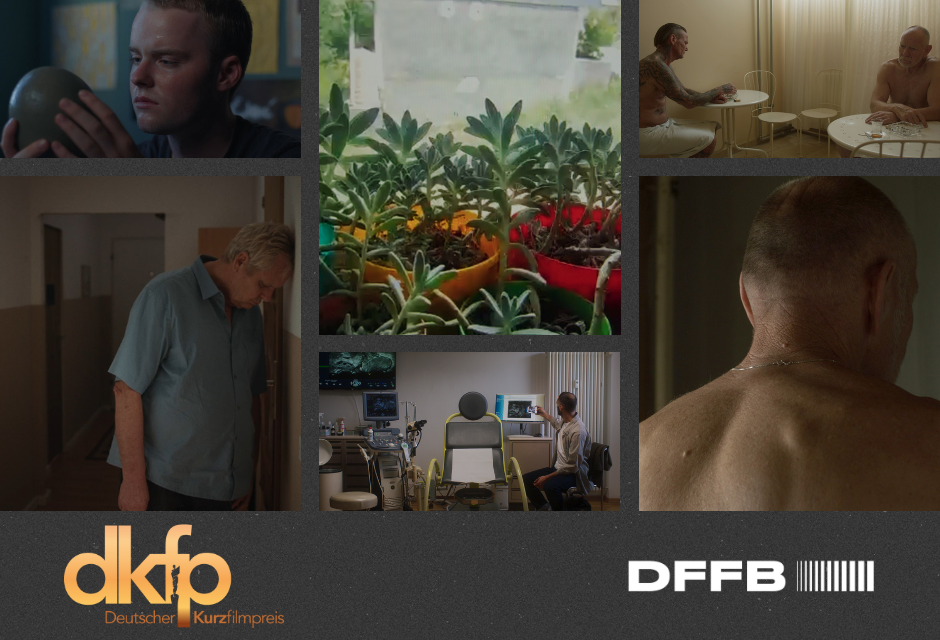
Also nom­i­nat­ed for the Ger­man Short Film Award 2025, in the cat­e­go­ry of fea­ture films between 15 and 30 min­utes in length, is ICEBERGS by direc­tor Car­los Pereira – a qui­et, deeply mov­ing work about lone­li­ness and the search for close­ness. Theo, 66, lives in a world that bare­ly touch­es him any­more. Between the steam of a ham­mam and the dark­ness of an old cin­e­ma, he search­es for moments of human con­nec­tion. Only his encounter with Ida brings move­ment to his rigid­i­ty. With great calm and emo­tion­al pre­ci­sion, ICEBERGS paints the por­trait of a man who is slow­ly learn­ing to feel again.

The Ger­man Short Film Award is the most impor­tant and most high­ly endowed award for short films in Ger­many. With this award, the Ger­man gov­ern­ment hon­ours film­mak­ers for their courage in pro­duc­ing artis­ti­cal­ly ambi­tious works in short for­mat and encour­ages them to con­tin­ue on this path.

Open House – 22 Novem­ber 2025

On Sat­ur­day, 22 Novem­ber 2025, we will open our doors to any­one inter­est­ed in study­ing film or want­i­ng to find out more about our acad­e­my.

The Open House offers the per­fect oppor­tu­ni­ty to gain an insight into our cours­es, the acad­e­my itself, and the peo­ple behind it. Vis­i­tors can find out about the var­i­ous depart­ments, take part in open events, and speak to lec­tur­ers, staff, and stu­dents.

Whether you are just start­ing out or prepar­ing specif­i­cal­ly for an appli­ca­tion, the day will pro­vide valu­able insights into study­ing at the DFFB.

You can find the detailed pro­gramme here.

Between Exile and Mem­o­ry: A JEWISH PROBLEM cel­e­brates its World Pre­miere at DOK Leipzig

We are delight­ed to announce that the DFFB doc­u­men­tary film A JEWISH PROBLEM by direc­tor Ron Roth­schild will cel­e­brate its world pre­miere in the Ger­man Doc­u­men­tary Com­pe­ti­tion at the renowned DOK Leipzig. The invi­ta­tion is a spe­cial hon­our for the work, which was cre­at­ed as part of the DFF­B’s doc­u­men­tary film work­shop under the direc­tion of Andres Veiel.

In his film, Roth­schild embarks on a per­son­al search for clues: A JEWISH PROBLEM is a doc­u­men­tary self-por­trait, told through con­ver­sa­tions with his grand­moth­er Ruth, pri­vate archive footage and video mate­r­i­al from his time as a mil­i­tary cam­era­man in the occu­pied Pales­tin­ian ter­ri­to­ries. The film links dif­fer­ent expe­ri­ences of exile – those of his grand­moth­er, his own and those of the Pales­tini­ans – and places them in the con­text of col­lec­tive his­to­ry.

“This film is an attempt to trace the links between the Holo­caust and the Nak­ba through the lens of my own fam­i­ly his­to­ry”, explains direc­tor Ron Roth­schild.

From 2007 to 2010, he served as a cam­era­man in the Israeli army. Today, he lives in Berlin – geo­graph­i­cal­ly far away, but marked by his expe­ri­ences, the images and the inevitable echo of vio­lence.

A JEWISH PROBLEM fits seam­less­ly into this year’s DOK Leipzig pro­gramme, which com­bines polit­i­cal rel­e­vance with artis­tic diver­si­ty. With its explo­ration of mem­o­ry, iden­ti­ty and respon­si­bil­i­ty, the film is an impres­sive con­tri­bu­tion to inter­na­tion­al doc­u­men­tary film­mak­ing.

DOK Leipzig is the old­est doc­u­men­tary film fes­ti­val in the world and is con­sid­ered one of the most impor­tant forums for inno­v­a­tive and engag­ing doc­u­men­tary film. The 68th edi­tion of the fes­ti­val will take place in Leipzig from Octo­ber 27th to Novem­ber 2nd 2025.