Author: Anna Zaluska

Triple suc­cess for the DFFB at the FIRST STEPS Awards 2025

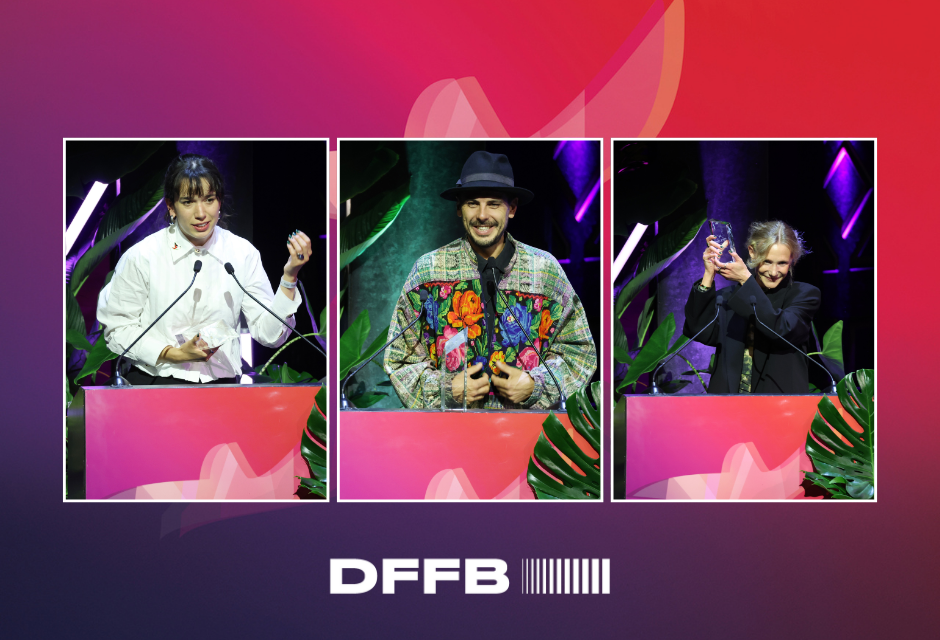
The DFFB cel­e­brat­ed a major suc­cess at the FIRST STEPS Awards 2025. Last night (6 Octo­ber 2025), three of our films received awards in the main cat­e­gories of fea­ture film, doc­u­men­tary film and act­ing. The film­mak­ers received a total of €45,000 in prize mon­ey.

The FIRST STEPS Awards are con­sid­ered the most pres­ti­gious awards for grad­u­a­tion films from film schools in Ger­man-speak­ing coun­tries and are an impor­tant sig­nal for the indus­try.

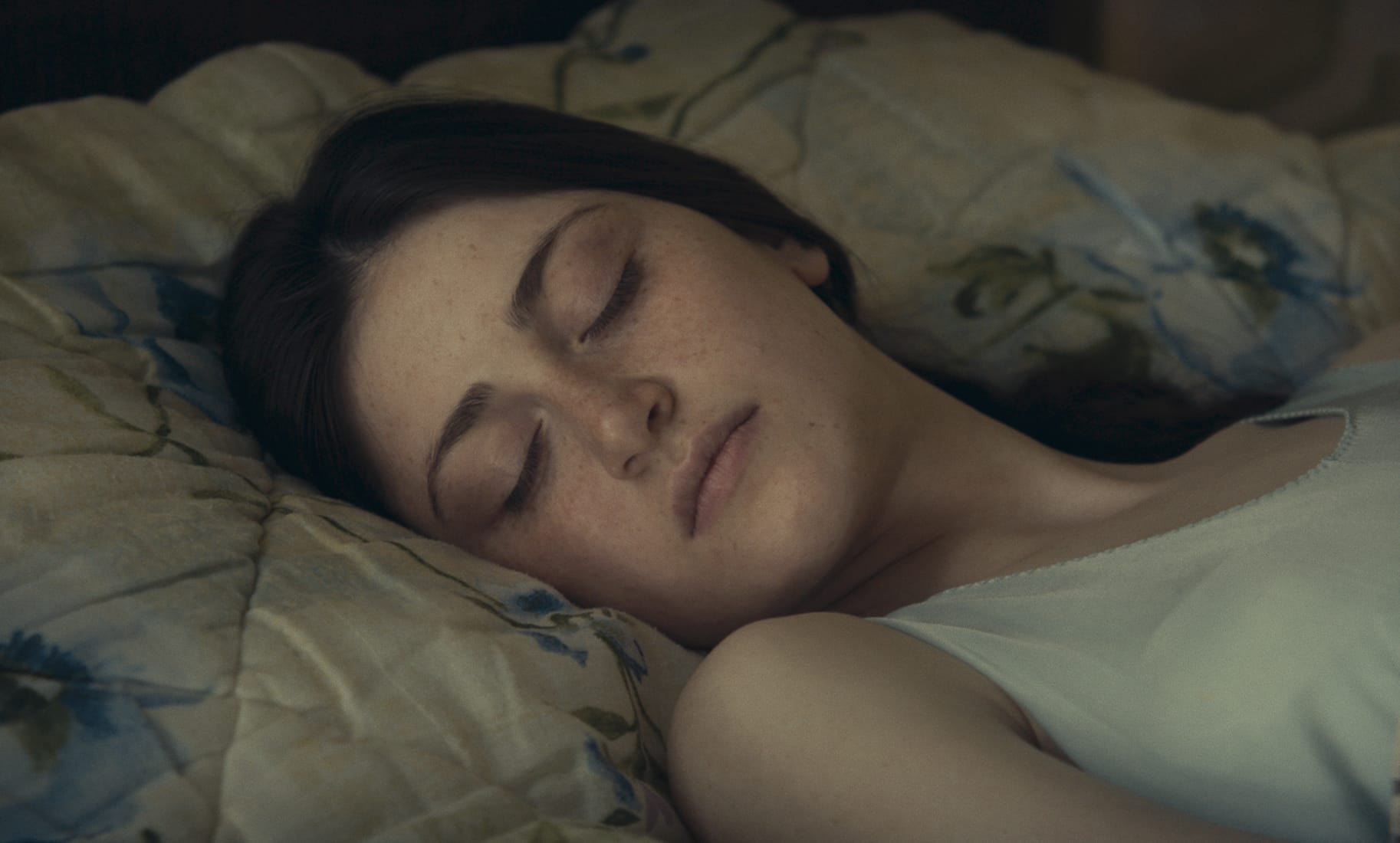
Best Fea­ture Film: THE GOOD SISTER

The fea­ture film THE GOOD SISTER (Direc­tor: Sarah Miro Fis­ch­er, Screen­play: Sarah Miro Fis­ch­er & Agnes Maa­gard Petersen, Cin­e­matog­ra­phy: Sel­ma von Pohlheim Gravesen, M: Ele­na Wei­he, P: Jan­na Fodor & Nina Sophie Bay­er-Seel) was award­ed the prize for fea­ture-length film, worth €20,000.

The grad­u­a­tion film is a co-pro­duc­tion with Arkanum Pic­tures and rbb and was sup­port­ed by, among oth­ers, the long-stand­ing part­ners of the Leucht­stoff ini­tia­tive from the Medi­en­board Berlin-Bran­den­burg and the Young Tal­ent Foun­da­tion Berlin.

‘Between close­ness and con­flict, a sto­ry unfolds that qui­et­ly but pow­er­ful­ly tells of loy­al­ty and jus­tice. THE GOOD SISTER cap­ti­vates with its nuanced explo­ration of com­plex fam­i­ly ties and a moral dilem­ma […] An impres­sive, intel­li­gent work with great dra­matur­gi­cal­ly pow­er,’ said the jury.

Best Doc­u­men­tary Film: MY BOYFRIEND EL FASCISTA

Matthias Lint­ner’s work impressed in the doc­u­men­tary film cat­e­go­ry and received a cash prize of €15,000 with the doc­u­men­tary film award. The film, pro­duced by Helios Sus­tain­able Films and Mariq­ui­tas Film, impres­sive­ly high­lights how a roman­tic rela­tion­ship is shak­en by polit­i­cal ten­sions.

The jury state­ment empha­sised the fol­low­ing in par­tic­u­lar:

“With great sen­si­tiv­i­ty and deter­mi­na­tion, MY BOYFRIEND EL FASCISTA takes us on an intense jour­ney full of nuances and con­tra­dic­to­ry feel­ings. The inward-look­ing cam­era makes it strik­ing­ly clear how quick­ly dis­ap­point­ment, frus­tra­tion and ide­o­log­i­cal crit­i­cism can lead to rad­i­cal­ism […]. […] The result is an out­stand­ing, enter­tain­ing doc­u­men­tary that leaves room for nuances, fric­tion and irre­solv­able con­tra­dic­tions.”

Götz George Young Tal­ent Award: Lad­i­na von Frisching

The Götz George Young Tal­ent Award for act­ing, worth €10,000, went to Lad­i­na von Frisching for her out­stand­ing per­for­mance in IMPATIENCE OF THE HEART by direc­tor Lau­ro Cress. The film, a co-pro­duc­tion with rbb, tells the sto­ry of a young sol­dier’s fate­ful rela­tion­ship with a paral­ysed woman.

The jury was impressed by the young actress’s pres­ence:

“With impres­sive nat­u­ral­ness and restrained inten­si­ty, Lad­i­na von Frisching cre­ates a haunt­ing char­ac­ter who touch­es the view­er deeply. Her por­tray­al of Edith in IMPATIENCE OF THE HEART skil­ful­ly bal­ances sen­si­tiv­i­ty and deter­mi­na­tion and demon­strates Lad­i­na’s empa­thet­ic intu­ition for com­plex emo­tions. An extra­or­di­nary young actress whose tal­ent and pres­ence already stand out.”

Con­grat­u­la­tions to all the win­ners on this out­stand­ing achieve­ment!

THE GOOD SISTER at the 73. San Sebastián Film­fes­ti­val

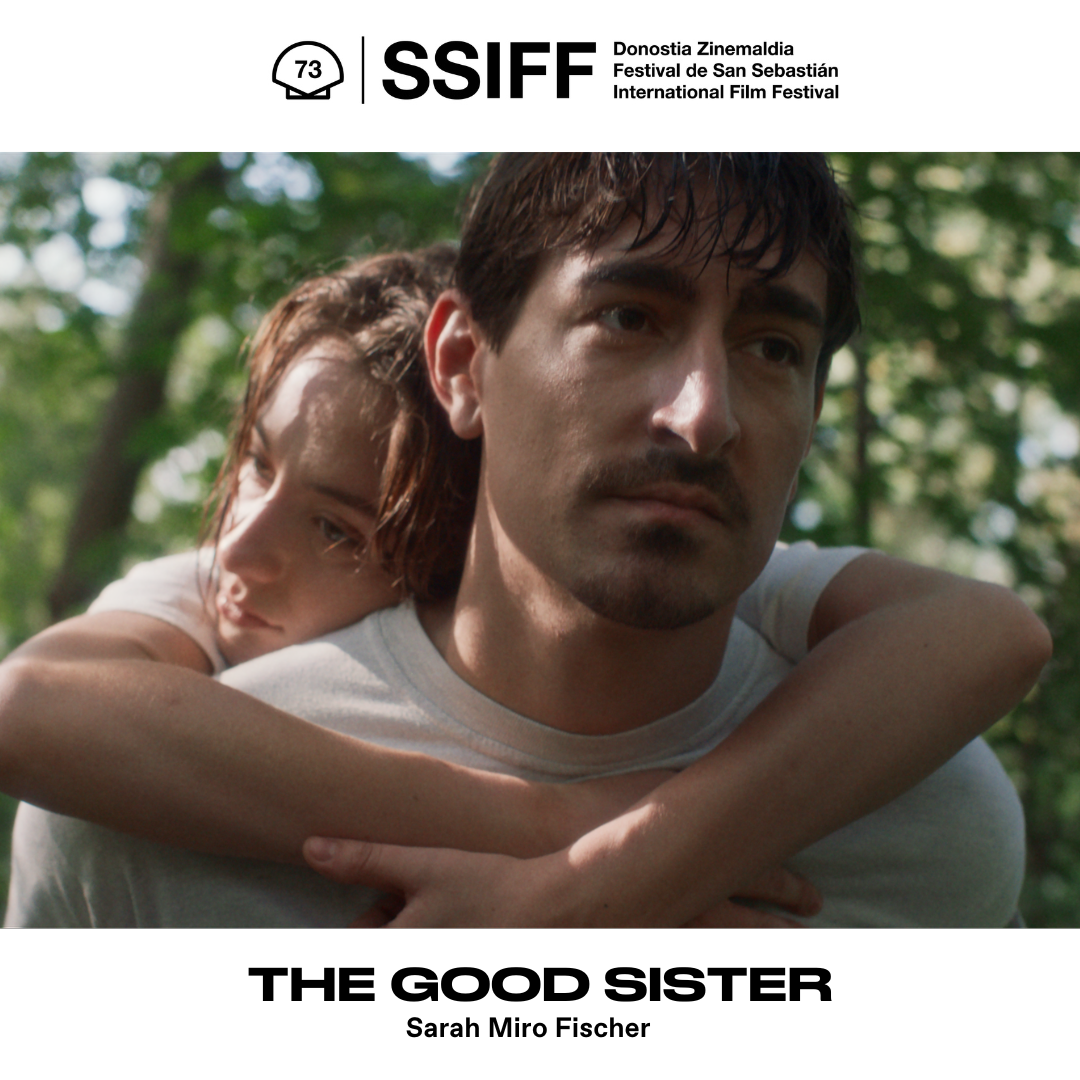
We are pleased to announce that the diplo­ma film THE GOOD SISTER (D: Sarah Miro Fis­ch­er, S: Sarah Miro Fis­ch­er & Agnes Maa­gard Petersen, DoP: Sel­ma von Pohlheim Gravesen, E: Ele­na Wei­he, P: Jan­na Fodor & Nina Sophie Bay­er-Seel) has been invit­ed to the pres­ti­gious Zabal­te­gi Tabakalera sec­tion of the 73rd San Sebastián Inter­na­tion­al Film Fes­ti­val (Sep­tem­ber 20–28, 2025). This sec­tion is con­sid­ered the most open and for­mal­ly free cat­e­go­ry of the fes­ti­val and presents works that stand out for their artis­tic sig­na­ture and the­mat­ic rad­i­cal­ism.

The fea­ture film THE GOOD SISTER tells the sto­ry of the intense bond between young Rose and her old­er broth­er Sam. When Sam is accused of rape, Rose finds her­self in an inner con­flict — she is asked to tes­ti­fy as a wit­ness and has to decide between loy­al­ty to her broth­er and her own moral stance. At the heart of the film is the mul­ti-lay­ered human­i­ty of the char­ac­ters: they are all char­ac­ter­ized by long­ing, pain and per­son­al vul­ner­a­bil­i­ty, make momen­tous deci­sions and cross bound­aries. But Sam’s act is no ordi­nary mis­take — it is vio­lent and destruc­tive, with con­se­quences that reach far beyond the imme­di­ate envi­ron­ment.

The grad­u­a­tion film is a co-pro­duc­tion with Arkanum Pic­tures and Nephilim Pro­duc­ciones and was sup­port­ed by the Leucht­stoffe ini­tia­tive, a long-stand­ing part­ner­ship between Medi­en­board Berlin-Bran­den­burg and Rund­funk Berlin-Bran­den­burg. The project was also made pos­si­ble by Gap Financ­ing from the Young Tal­ent Foun­da­tion Berlin.

THE PLANT FROM THE CANARIES cel­e­brates its pre­miere at the Locarno Film Fes­ti­val 2025

This year, the DFFB is rep­re­sent­ed at the renowned Locarno Film Fes­ti­val (August 6–16) with chi­nese film­mak­er Ruan Lan-Xi’s fea­ture film.

THE PLANT FROM THE CANARIES (DoP: Jonathan Steil) will cel­e­brate its world pre­miere in the Cineasti del pre­sente com­pe­ti­tion. The film tells the sto­ry of May, a Kore­an woman in her ear­ly thir­ties, who finds her­self alone in Berlin after a sud­den break-up. As she drifts through sleep­less days, mem­o­ries of her youth in Seoul emerge.

In addi­tion to direct­ing, Ruan Lan-Xi was also respon­si­ble for the screen­play, edit­ing and pro­duc­tion. THE PLANT FROM THE CANARIES is a co-pro­duc­tion with Chick­pea Enter­tain­ment and is also Ruan Lan-Xi’s grad­u­a­tion film at the DFFB.

The Locarno Film Fes­ti­val is con­sid­ered one of the most impor­tant plat­forms for inno­v­a­tive and inde­pen­dent cin­e­ma. The Cineasti del pre­sente sec­tion in par­tic­u­lar offers up-and-com­ing inter­na­tion­al direc­tors the oppor­tu­ni­ty to present their work to a wide audi­ence. In total, the film has the chance to win prize mon­ey of up to CHF 95,000.

Three films by and with DFFB alum­ni will cel­e­brate their world pre­miere in the Inter­na­tion­al Com­pe­ti­tion of the Locarno Film Fes­ti­val: DRY LEAF by Alexan­dre Koberidze, a pro­duc­tion by New­Mat­ter­Films Mari­am Shat­berashvili and Luise Hauschild, and SEHNSUCHT IN SANGERHAUSEN by Julian Radl­maier, the pro­duc­er is Kir­ill Krasovs­ki and DoP Faraz Fes­hara­ki. WHITE SNAIL by Elsa Kremser and Levin Peter was co-pro­duced by DFFB alum­nus Heino Deck­ert.

BLEIFREI 95 will also be screened in the short film com­pe­ti­tion Par­di di Domani — a project co-direct­ed by DFFB stu­dent Emma Hütt, in which numer­ous oth­er DFFB tal­ents par­tic­i­pat­ed: Sha­di Farid, Lydia Leer­stelle, Elis­a­beth Hoschek, Parn­ian Ras­souli and Lalise Mud­daa.

Con­grat­u­la­tions to every­one involved!

Pan­el on diver­si­ty in the film indus­try at the 42nd FILMFEST MÜNCHEN

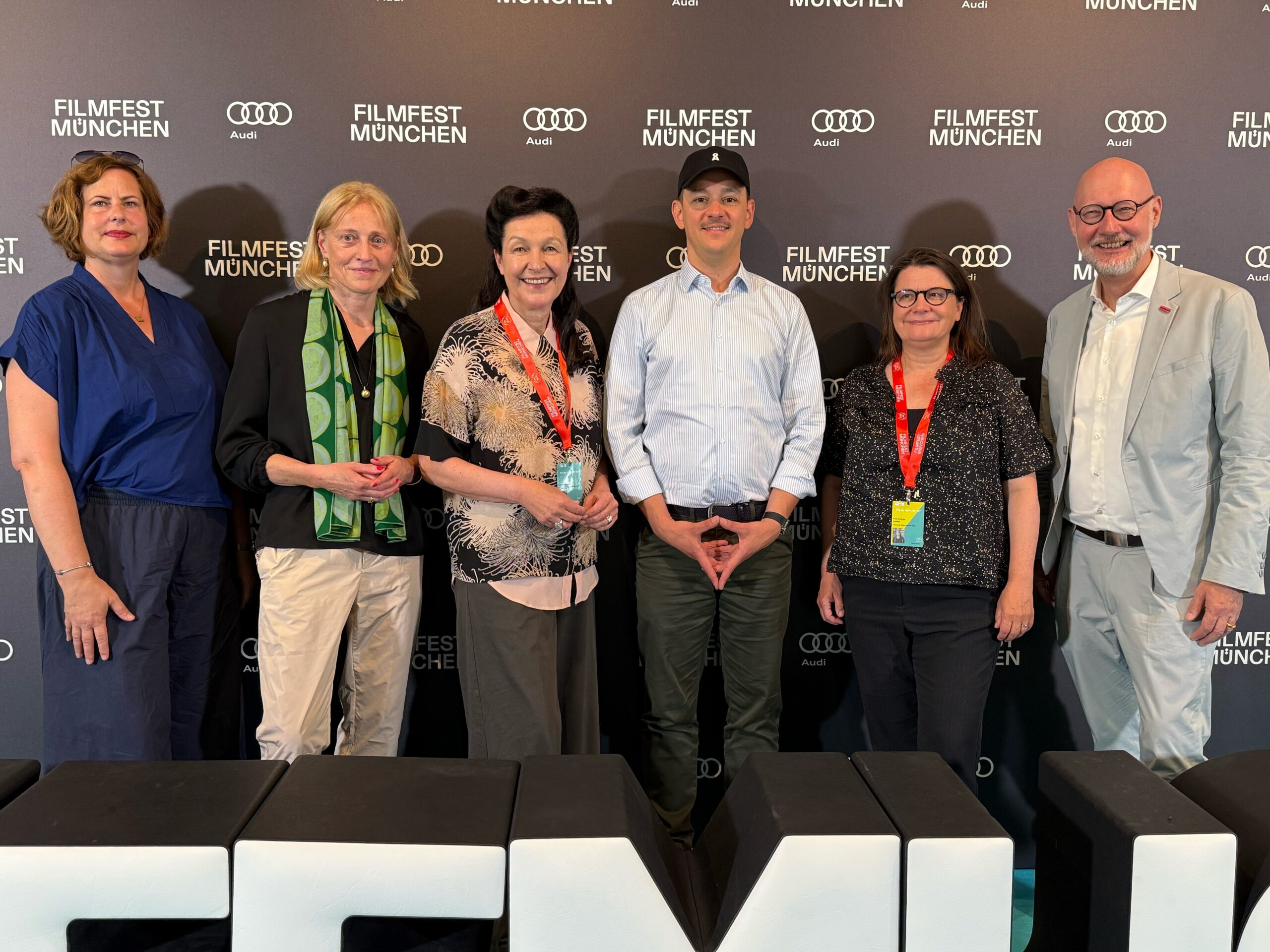
As part of the 42nd FILMFEST MÜNCHEN, the Ger­man Film and Tele­vi­sion Acad­e­my Berlin (Deutsche Film und Fernse­hen Akademie Berlin), togeth­er with five oth­er Ger­man film schools, orga­nized a pan­el dis­cus­sion on diver­si­ty in the film indus­try on June 30.

The Project “Boost­ing the Next Gen­er­a­tion” was ini­ti­at­ed by the MaL­isa Foun­da­tion, Film Uni­ver­si­ty Babels­berg KONRAD WOLF, Uni­ver­si­ty of Tele­vi­sion and Film Munich (HFF), Film Acad­e­my Baden-Würt­tem­berg, Acad­e­my of Media Arts Cologne (KHM), Inter­na­tion­al Film School Cologne (ifs), Ger­man Film and Tele­vi­sion Acad­e­my Berlin and sup­port­ed by Net­flix.

Fol­low­ing a keynote speech by Sasha Büh­ler, Direc­tor of Film DACH at Net­flix, and Maria Furtwän­gler, film­mak­er and co-founder of the MaL­isa Foun­da­tion, strate­gies for pro­mot­ing diver­si­ty in the film indus­try were dis­cussed. Yugen Yah, film­mak­er and pod­cast­er, mod­er­at­ed the dis­cus­sion. The pan­el includ­ed Susanne Stürmer, Pres­i­dent of the Film Uni­ver­si­ty Babels­berg KONRAD WOLF, direc­tor and author Mer­le Grimme, Yelyza­ve­ta Davy­denko, a stu­dent at the Ani­ma­tion Insti­tute of the Film Acad­e­my Baden-Würt­tem­berg, and Sinem Gökser, Diver­si­ty and Inclu­sion Offi­cer. Togeth­er with uni­ver­si­ty mem­bers, film­mak­ers, and stu­dents in atten­dance, the par­tic­i­pants dis­cussed the impor­tance of diver­si­ty in mod­ern film pro­duc­tion and the best pos­si­ble meth­ods of pro­mo­tion.

The joined forces of the uni­ver­si­ties and the sup­port pro­vid­ed by Net­flix have advanced diver­si­ty work in impor­tant areas and enabled it to become more pro­fes­sion­al. One exam­ple is the devel­op­ment and imple­men­ta­tion of a cross-uni­ver­si­ty con­tin­u­ing edu­ca­tion pro­gram on diver­si­ty that is specif­i­cal­ly tai­lored to the inter­sec­tion of film and teach­ing. If diver­si­ty-ori­ent­ed per­spec­tives and work­ing meth­ods are taught as a mat­ter of course dur­ing train­ing, stu­dents are more like­ly to take these with them into the indus­try as stan­dards. Com­mit­ted teach­ers from all six uni­ver­si­ties are par­tic­i­pat­ing, and the feed­back has been pos­i­tive.

One thing was made clear through the dis­cus­sion: Diver­si­ty is not an option­al extra, but an essenci­tal part of film study and pro­duc­tion. The par­tic­i­pants empha­sized the need to cre­ate sus­tain­able stan­darts and struc­tures so that respon­si­bil­i­ty for diver­si­ty does not fall soley on indi­vid­u­als.

The “Boost­ing the Next Gen­er­a­tion” project exem­pli­fies that diver­si­ty and anti-dis­crim­i­na­tion work is effec­tive when it is struc­tural­ly con­ceived and approached col­lab­o­ra­tive­ly. The dis­cus­sion end­ed with a call for the indus­try, fund­ing insti­tu­tions, and polo­cy­mak­ers to take tar­get­ed action to estab­lish dis­ver­si­ty and dis­crim­i­na­tion as bind­ing stan­dards. There were also some pos­i­tive news: The paric­i­pat­ing film schools will con­tin­ue work­ing togeth­er. The Ham­burg Media School (HMS) has now joined the group­ing as well.

›Women, life, lib­er­ty‹ The Ger­man film schools stand with the peace­ful protests in Iran

»We ask you to echo the ral­ly­ing cries of Ira­ni­ans for free­dom. Become the voice of those peo­ple who are pay­ing with their lives for free­dom« Iran­ian film­mak­ers recent­ly request­ed in an open let­ter.

The death of Mah­sa Ami­ni while in police cus­tody and the increas­ing repres­sions because of the coun­try­wide protests have shocked us and are a cause of great con­cern to us. As Ger­man film schools we have collectively com­mit­ted our­selves to diver­si­ty and against dis­crim­i­na­tion. We have com­mit­ted our­selves to ques­tion­ing exist­ing struc­tures and stereo­types con­struc­tive­ly and to address the issues of abuse of pow­er and gen­der equal­i­ty. There­fore, we also want to express our sol­i­dar­i­ty with the pro­test­ers with a unit­ed voice:

We are deeply con­cerned about the sit­u­a­tion in Iran and espe­cial­ly at the Iran­ian uni­ver­si­ties. We condemn the vio­lent repres­sion of free­dom of expres­sion and the right to per­son­al devel­op­ment. We see you, your coura­geous resis­tance, and the sac­ri­fices you make. You are not alone.
We stand behind you and your com­mit­ment to “women, life, lib­er­ty”!

Three Nom­i­na­tions for DFFB Stu­dents at the FIRST STEPS Awards 2021

We are hap­py to announce three nom­i­na­tions for this year’s FIRST STEPS Awards.

Two DFFB pro­duc­tion stu­dents are nom­i­nat­ed for the NO FEAR Award: Tama­ra Erbe for the film BABY BITCHKA (direc­tor: Anna Maria Roznows­ka, screen­writer: Anna Maria Roznows­ka & Tama­ra Erbe, cin­e­matog­ra­ph­er: Malte Siepen, pro­duc­tion: Tama­ra Erbe) and Sara Fazi­lat for NICO (director/​screenwriter: Eline Gehring, cinematographer/​screenwriter: Fran­cy Fab­ritz, producer/​screenwriter: Sara Fazi­lat).

In addi­tion, Aart Stein­mann is also nom­i­nat­ed for his grad­u­at­ing screen­play NIEMCY– DIE FREMDEN.

Con­grat­u­la­tions to all three stu­dents!

The FIRST STEPS award is the most impor­tant award for grad­u­at­ing films of film schools in Ger­man-speak­ing coun­tries. With a total of €119,000 in prize mon­ey, it is the largest endow­ment of its kind for young film­mak­ers. There are nine prize cat­e­gories and prizes are award­ed annu­al­ly to direc­tors, pro­duc­ers, cin­e­matog­ra­phers, and screen­writ­ers of short, medi­um-length, and fea­ture-length films, doc­u­men­taries, and com­mer­cials, as well as to actors. Each nom­i­nee receives €1000.

We are keep­ing our fin­gers crossed and will be excit­ed­ly watch­ing the award cer­e­mo­ny on June 21, which will be streamed live on the ARD Mediathek from 7 pm.


© FIRST STEPS

DFFB grad­u­a­tion film in com­pe­ti­tion at the 71st Berli­nale

The grad­u­a­tion film WHAT DO WE SEE WHEN WE LOOK AT THE SKY? by direct­ing grad­u­ate Alexan­dre Koberidze cel­e­brates its world pre­miere in com­pe­ti­tion at the 71st Berlin Inter­na­tion­al Film Fes­ti­val.

Observ­ing every­day life in Kutaisi, Geor­gia, with humour and sen­si­tiv­i­ty, the 150-minute film paints a mag­i­cal love sto­ry that seems impos­si­ble, yet ends on a hope­ful note. “I want­ed to make a film about the love of cin­e­ma, in times when oth­ers have long since declared cin­e­ma dead,” says the direc­tor, who was born in Tbil­isi in 1984.

WHAT DO WE SEE WHEN WE LOOK AT THE SKY? was fund­ed by Medi­en­board Berlin-Bran­den­burg and Rund­funk Berlin-Bran­den­burg as part of the LEUCHTSTOFF pro­gram. With the young pro­duc­tion com­pa­ny New Mat­ter Films, found­ed by the stu­dents Mari­am Shat­berashvili and Luise Hauschild as well as cin­e­matog­ra­ph­er Faraz Fes­hara­ki, the direc­tor has gath­ered an ambi­tious, moti­vat­ed, and high­ly tal­ent­ed team around him, which suc­cess­ful­ly worked togeth­er on the real­iza­tion of this spe­cial grad­u­a­tion film.

We warm­ly con­grat­u­late the entire team for this huge hon­our and are already keep­ing our fin­gers crossed for the Gold­en Bear Awards on March 5!

Two DFFB projects are screen­ing in the short film com­pe­ti­tion EUROPA IM FILM

On the occa­sion of the Ger­man Pres­i­den­cy of the Coun­cil of the Euro­pean Union in 2020, the short film com­pe­ti­tion Europe in Film, which is fund­ed by the Ger­man Fed­er­al For­eign Office, will take place this year.

The DFFB films KATZENJAMMER by Flavio Yuri Rig­a­mon­ti and STADTPINGUIN by Florin­da Fris­ar­di will com­pete for the Audi­ence Award.

In KATZENJAMMER, a young refugee has to fight his way alone until he meets an old farmer and in STATDPINGUIN, two sis­ters have adven­tur­ous dreams.

From 04.12.2020 to 10.12.2020, watch the films at https://​www​.alle​ski​no​.de/ and then vote for the Audi­ence Award. There will also be talks with all film teams. It’s worth tak­ing a peak!

CHICHINETTE final­ly screens in cin­e­mas across Ger­many

CHICHINETTE – THE ACCIDENTAL SPY, the doc­u­men­tary and grad­u­a­tion film by Nico­la Alice Hens, will be released in cin­e­mas nation­wide on Sep­tem­ber 17, 2020. To accom­pa­ny its the­atri­cal release, the direc­tor will per­son­al­ly present the film in select­ed cities. The film tells the hith­er­to lit­tle-known sto­ry of the French Jew Marthe Cohn alias Chichinette. Dur­ing the chaos of war, Cohn decid­ed to risk her life to work as an allied spy in Nazi Ger­many. Today, at the age of 100, she trav­els the world shar­ing her sto­ry with the younger gen­er­a­tions.

The film’s release was planned for March 19, 2020, but a nation­wide lock­down in Ger­many occurred only days before its sched­uled start. Now the time has come and CHICHINETTE – THE ACCIDENTAL SPY is final­ly com­ing to cin­e­mas.

CHICHINETTE – THE ACCIDENTAL SPY cel­e­brat­ed its Ger­man pre­miere at the Hofer Film­tage 2019.

Film Dis­cus­sions

FILM DISCUSSION on 12.09.2020 BERLIN KLICK Kino (with­in the Jew­ish Film Fes­ti­val Berlin & Bran­den­burg) – 6 pm – Guests: direc­tor Nico­la A. Hens and pro­duc­er Amos Geva

FILM DISCUSSION on 17.09.2020 WEIMAR Lichthaus cin­e­ma – 7 pm – Guest: direc­tor Nico­la A. Hens

FILM DISCUSSION on 18.09.2020 LEIPZIG Ciné­math­èque Leipzig – 7 pm – Guest: direc­tor Nico­la A. Hens

FILM DISCUSSION on 19.09.2020 BERLIN Cen­tral – time TBA – Guests: direc­tor Nico­la A. Hens and pro­duc­er Amos Geva

FILM DISCUSSION on 19.09.2020 BERLIN Moviemen­to – time TBA – Guests: direc­tor Nico­la A. Hens and pro­duc­er Amos Geva

Venues

Berlin, Bre­men, Dort­mund, Dres­den, Essen, Frank­furt, Freiburg, Hal­ber­stadt, Ham­burg, Hanover, Karl­sruhe, Leipzig, Munich, Mün­ster, Nurem­berg, Pots­dam, Salzgit­ter, Stuttgart, Tübin­gen, Ulm, Wies­baden, Würzburg, and more.

An updat­ed list of film dis­cus­sions and venues can be found on the web­site of miss­ing­FILMs.

About the film

At the age of 100, Marthe Cohn tours the world like a rock star. The demu­ni­tive white-haired woman pos­sess­es humour, flair, and lots of ener­gy. We quick­ly under­stand why she was once nick­named “Chichinette” (lit­tle pain in the neck). Her speech­es are enter­tain­ing and pep­pered with punch lines. With wit and charm Marthe cap­ti­vates her audi­ence with her incred­i­ble life sto­ry: Marthe Hoff­nung, a French Jew from Metz, who lost her fiancé and her sis­ter in the war, decid­ed in 1945 to risk her life to spy for the Allies in Nazi Ger­many and to fight for the war to come to an end. Her mis­sion was suc­cess­ful, but for six­ty years after the war she remained silent about her hero­ic deeds.

An Amos Geva film pro­duc­tion in co-pro­duc­tion with Merovee Films, the DFFB, and the RBB.

CHICHINETTE – THE ACCIDENTAL SPY tells the impres­sive sto­ry of Cohn’s life in atmos­pher­ic, part­ly ani­mat­ed images.

Source: miss­ing­FILMs