Author: content_manager_nh

UP.GRADE involved with 25 films screen­ing at this year’s Berli­nale

UP.GRADE has always been close to the Berli­nale and peo­ple often ask if they can watch projects grad­ed by UP.GRADERs at the fes­ti­val.

So it’s our plea­sure to share with you a list of films grad­ed by UP.GRADERs that are play­ing this year — as well as all the films grad­ed (and even edit­ed) by our ter­rif­ic UP.GRADE lec­tur­ers!


Films grad­ed by UP.GRADERs

Sys­tem Crash­er
grad­ed by Petra Lis­son (2016–2017 UP.GRADER)
run­ning in main com­pe­ti­tion

It could have been worse
grad­ed by Kai Klassen (2015–2016 UP.GRADER)

“My Grand­pa is an Alien”
grad­ed by Fran Sokolić (2015–2016 UP.GRADER)

“Thir­ty”
grad­ed by Mag­da Nizel (2016–2017 UP.GRADER)

“Kids”
grad­ed by Artem Stre­tovich (2016–2017 UP.GRADER)

“I often think of Hawaii”, 1978
re-grad­ed/­mas­tered by Ana Maria Ormaza (2018–2019 UP.GRADER)


Colour assis­tance by UP.GRADERs

“Stitch­es”
colour assist/​ACES work­flow super­vi­sion by Fran Sokolić (2015–2016 UP.GRADER)

“Erased”
colour assist/​ACES work­flow super­vi­sion by Fran Sokolić (2015–2016 UP.GRADER)
Euro­pean Film Mar­ket

“The Diary of Diana B.”
colour assist/​ACES work­flow super­vi­sion by Fran Sokolić (2015–2016 UP.GRADER)
Euro­pean Film Mar­ket


Films grad­ed by UP.GRADE staff

“Dust”
grad­ed by Dirk Meier (Head of pro­gramme)

“I was home, but”
grad­ed by Dirk Meier (Head of pro­gramme)
run­ning in main com­pe­ti­tion

“The Last to see Them”
grad­ed by Edmond Lac­con (Joint Head of Pro­gramme)


Films grad­ed by UP.GRADE lec­tur­ers

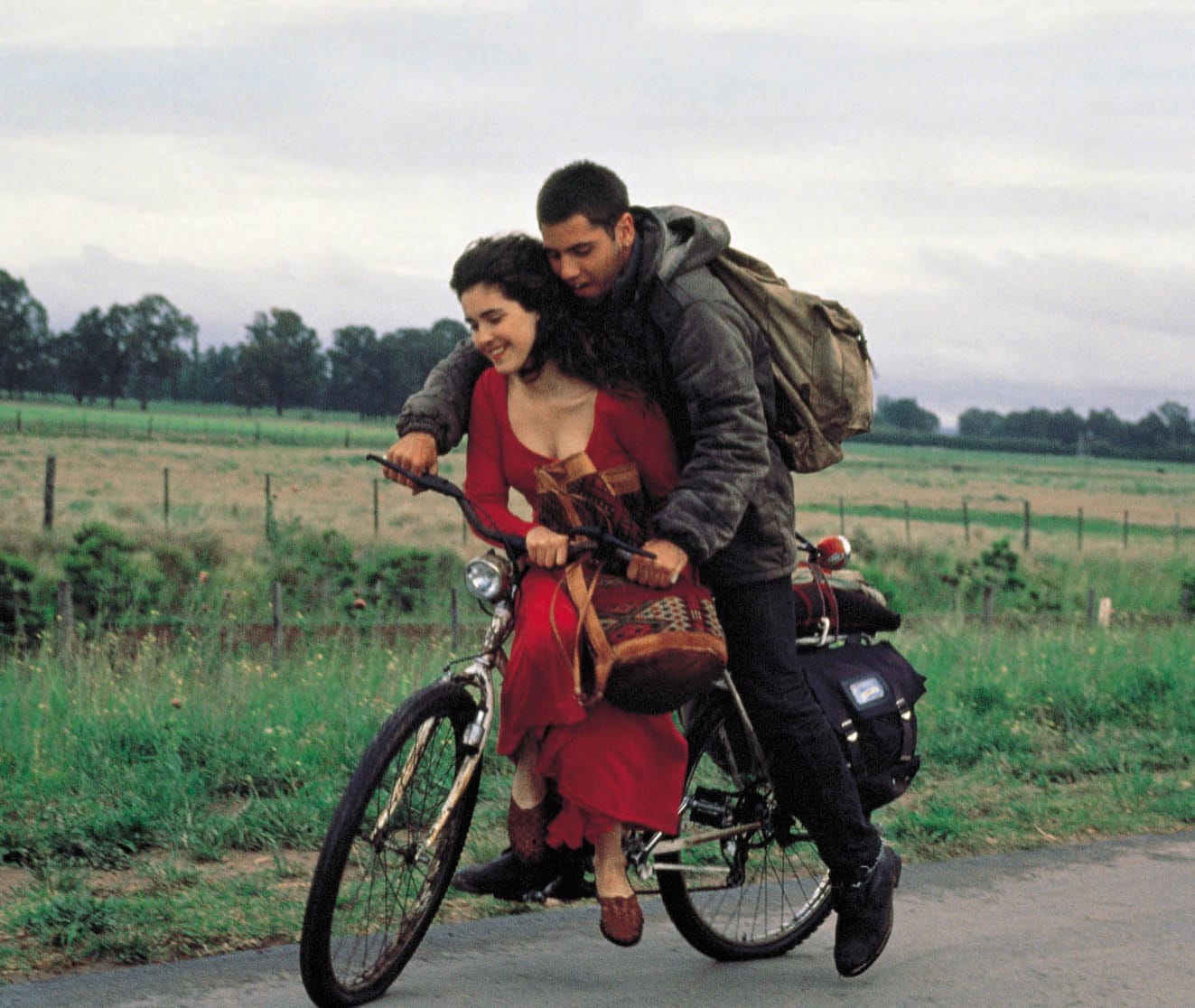
“The Bicy­cle”
graded/​restored by Chris­tine Hiam (lec­tures on Grad­ing)

“Mal­ou”
graded/​restored by Chris­tine Hiam (lec­tures on Grad­ing)

“Easy Love”
grad­ed by Felix Hüsken (lec­tures on Resolve, ACES, Cal­i­bra­tion)

“Search­ing Eva”
grad­ed by Felix Hüsken (lec­tures on Resolve, ACES, Cal­i­bra­tion)

“Monos”
grad­ed by Lau­rens Orij (lec­tures on Colour sci­ence and Grad­ing)

“O Beau­ti­ful Night”
grad­ed by Philipp Orgas­sa (ARRI music video chal­lenge)

“The Pit”
grad­ed by Tobias Schaarschmidt (lec­tures on Cal­i­bra­tion and ACES)

Oray
grad­ed by Fabi­ana Cardal­da (lec­ture on HDR grad­ing, case study)

Progress in the Val­ley of the Peo­ple Who Don’t Know
grad­ed by Fabi­ana Cardal­da (lec­ture on HDR grad­ing, case study)

Cleo
grad­ed by Fabi­ana Cardal­da (lec­ture on HDR grad­ing, case study)

Armed Lul­la­by
grad­ed by Fabi­ana Cardal­da (lec­ture on HDR grad­ing, case study)


Films edit­ed by UP.GRADE lec­tur­ers

“A Tale of Three Sis­ters”
edit­ed by Cicek Kahra­man (lec­tures on Film Gram­mar)
run­ning in main com­pe­ti­tion


Angela Schan­elec, Max Linz, David Dietl, and oth­er DFFB Alum­ni at the Berli­nale

The 69th Berlin Inter­na­tion­al Film Fes­ti­val presents nine films cre­at­ed with the par­tic­i­pa­tion of DFFB alum­ni.


ICH WAR ZUHAUSE, ABER (I WAS AT HOME, BUT) from grad­u­ate Angela Schan­elec screens in com­pe­ti­tion. The film tells the sto­ry of a moth­er and her 13-year-old son, who returns home with­out a say­ing word after dis­ap­pear­ing for a week.

  • Tues­day, 12.2., 16:00, Berli­nale Palast (World Pre­miere)
  • Wednes­day, 13.2., 9:30, Friedrich­stadt-Palast
  • Wednes­day, 13.2., 12:30, Haus der Berlin­er Fest­spiele
  • Wednes­day, 13.2., 18:00, Friedrich­stadt-Palast
  • Thurs­day 14.2., 15:30, Odeon, Berli­nale Goes Kiez


Alum­nus Jonas Wey­de­mann pro­duced SYSTEMSPRENGER (SYSTEM CRASHER) by Nora Fin­gschei­dt, which is screen­ing in com­pe­ti­tion. The dra­ma focus­es on a nine-year-old girl (Hele­na Zen­gel), who is prov­ing to be too much to han­dle for all the ped­a­gog­i­cal sys­tems involved in her case.

  • Fri­day, 08.02., 15:30, Berli­nale Palast (World Pre­miere)
  • Sat­ur­day, 09.02., 9:30, Friedrich­stadt-Palast
  • Sat­ur­day, 09.02., 12:00, Haus der Berlin­er Fest­spiele
  • Sat­ur­day, 09.02., 20:30, HAU Hebbel am Ufer (HAU1), Berli­nale Tal­ents
  • Thurs­day, 14.02., 17:00, JVA Plötzensee, Berli­nale Goes Kiez (no tick­ets required)
  • Sun­day, 17.02., 18:30, Berli­nale Palast


Max Linz’s film WEITERMACHEN SANSSOUCI (MUSIC AND APOCALYPSE) (cam­era: Car­los Andrés López) cel­e­brates its world pre­miere in Forum. The Insti­tute for Cyber­net­ics and Sim­u­la­tion Research is threat­ened with closure—this is the start­ing point for this satire about the trans­for­ma­tion of the uni­ver­si­ty sys­tem into a tur­bo-cap­i­tal­ist research machine.

  • Tues­day, 12.02., 18:30, Del­phi Film­palast
  • Wednes­day, 13.02., 13:45, CineS­tar 8
  • Fri­day, 15.02., 20:00, Cubix 9
  • Sun­day, 17.02., 19:30, Colos­se­um 1


Uli M. Schuep­pel presents DER ATEM (THE BREATH) (cam­era: Cor­nelius Plache) screen­ing in Panora­ma. The film shows a col­lec­tion of exis­ten­tial expe­ri­ences tak­ing place at night in Berlin—fragments of por­traits, stitched togeth­er to form a com­po­si­tion.


  • Wednes­day, 13.02., 21:30, Zoo Palast 1
  • Thurs­day, 14.02., 12:30, Cin­e­maxX 7
  • Fri­day, 15.02., 22:00, Colos­se­um 1
  • Sat­ur­day 16.02., 20:00, Inter­na­tion­al


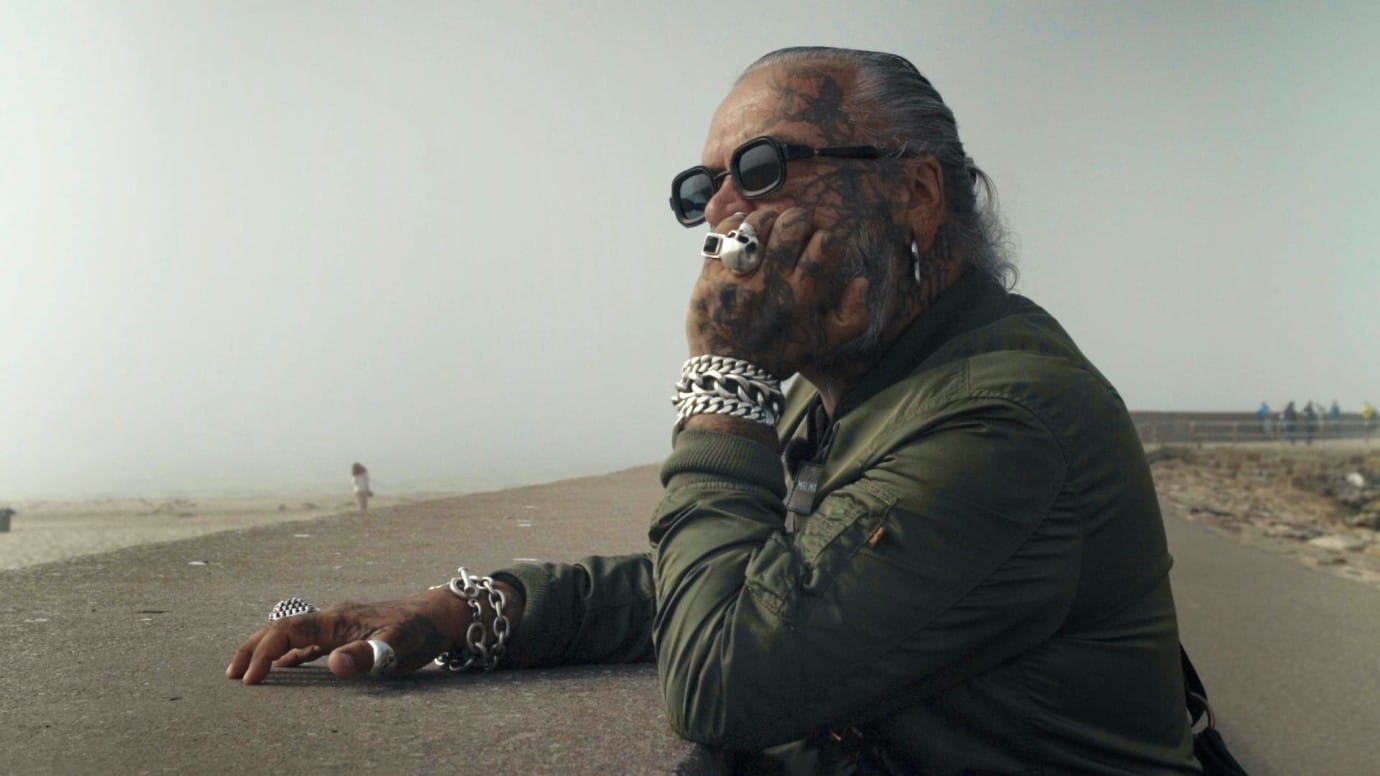
David Dietl’s doc­u­men­tary BERLIN BOUNCER (cam­era: Eric Ferranti/​Raphael Bein­der, pro­duced by Mar­tin Heisler/​Gabriele Simon)—also pre­oc­cu­pied with Berlin at night—celebrates its world pre­miere in Per­spek­tive Deutsches Kino. This doc­u­men­tary tells the sto­ry of three leg­endary Berlin bouncers—Frank Kün­ster, Smi­ley Bald­win and Sven Marquardt—working in the once-divid­ed city and in today’s night­club metrop­o­lis.

  • Sun­day, 10.02., 22:30, Cin­e­maxX 1,
  • Mon­day, 11.02., 22:00, Colos­se­um 1
  • Sat­ur­day, 16.02., 20:00, Cin­e­maxX 1


Ute Aurand’s film RASENDES GRÜN MIT PFERDEN (RUSHING GREEN WITH HORSES) will screen in Forum Expand­ed. RASENDES GRÜN MIT PFERDEN (RUSHING GREEN WITH HORSES) is a col­lec­tion of short obser­va­tions and encoun­ters filmed between 1998 and 2018.

  • Fri­day, 8.2., 16:15, Kino Arse­nal
  • Sat­ur­day, 9.2., 17:00, Werk­stat­tki­no des silent green


The film UMWEG (DETOUR), direct­ed in 1982 by Ute Aurand and Ulrike Pfeif­fer, screens in Ret­ro­spek­tive.

  • Tues­day, 12.2., 16:30, Cin­e­maXX 8
  • Wednes­day 13.2., 21:30, Zeughauski­no


Screen­play grad­u­ate Ari­ana Berndl wrote the script for OH BEAUTIFUL NIGHT with direc­tor Xaver Böhm, and the film screens in Panora­ma. Although Juri is young, his life is dom­i­nat­ed by the fear of dying. Noc­tur­nal pan­ic attacks are famil­iar to him.

  • Tues­day, 12.02., 20:00, Inter­na­tion­al
  • Wednes­day, 13.02., 12:30, Cin­e­maxX 7
  • Thurs­day, 14.02., 22:00, Colos­se­um 1
  • Fri­day, 15.02., 17:45, CineS­tar 3
  • Sat­ur­day, 16.02., 19:30, Zoo Palast 2


The cin­e­matog­ra­phy for BORN IN EVIN by Maryam Zaree, screen­ing in Per­spek­tive Deutsches Kino, was exe­cut­ed by DFFB grad­u­ate Siri Klug. The chil­dren who were born in Iran’s most noto­ri­ous prison Evin and then grew up in the West wit­nessed tor­ture, mur­der, and human rights vio­la­tions. Ger­man-Iran­ian actress Maryam Zaree is one of these chil­dren. When she learns that she was born in Evin, Zaree sets out to search for oth­er chil­dren also born there in order to bet­ter under­stand her own sto­ry.


  • Sat­ur­day, 09.02., 19:00, Cin­e­maxX 3
  • Sun­day, 10.02., 12:00, Colos­se­um 1
  • Sun­day 10.02., 20:00, Cin­e­maxX 1


We wish you a fan­tas­tic fes­ti­val and film expe­ri­ence at the Berli­nale!

DFFB goes Berli­nale

The DFFB presents a com­pre­hen­sive pro­gramme dur­ing this year’s 69th Berlin Inter­na­tion­al Film Fes­ti­val (Feb­ru­ary 7–17, 2019). The DFFB con­tributes to an excit­ing film fes­ti­val with four fea­ture films by DFFB stu­dents screen­ing in two sec­tions.


Sara Summa’s film GLI ULTIMI A VEDERLI VIVERE (THE LAST TO SEE THEM) will be cel­e­brat­ing its world pre­miere in Forum. The film tells the sto­ry of the final hours in the life of a four-per­son fam­i­ly in an iso­lat­ed farm­house in south­ern Italy. With the view­er already aware of the vio­lent deed from the out­set, their dai­ly rou­tines coa­lesce into a ten­der requiem, a trance-like count­down.

  • Sat­ur­day, 9.2., 11:00, Cin­e­maxX 6 (Press & Indus­try)
  • Sun­day, 10.2., 19:00, Del­phi (World Pre­miere)
  • Tues­day, 12.2., 22:00, CineS­tar 8
  • Wednes­day, 13.2., 12:30 & 15:45, DFFB Kino (EFM Mar­ket Screen­ing)
  • Thurs­day, 14.2., 19:30, Colos­se­um 1
  • Sun­day, 17.2., 17:30, Arse­nal 1


Miri­am Bliese’s DFFB grad­u­a­tion film DIE EINZELTEILE DER LIEBE (THE COMPONANTS OF LOVE) screen­ing in Per­spek­tive Deutsches Kino is also cel­e­brat­ing its world pre­miere. A film about Sophie and Georg who once loved each oth­er, but are now sep­a­rat­ed. A lacon­ic por­trait of a mod­ern patch­work fam­i­ly that plays out before a front door in Berlin. A seri­ous com­e­dy about sep­a­ra­tion, inter­spersed with Schlager music.

  • Tues­day, 12.2., 14:00, Cin­e­maxX 5 (Press & Indus­try)
  • Tues­day 12.2., 19:00, Cin­e­maxX 3 (World Pre­miere)
  • Wednes­day, 13.2., 12:00, Colos­se­um
  • Wednes­day, 13.2., 17:30, Blauer Stern
  • Wednes­day, 13.2., 14:00, DFFB Kino (EFM Mar­ket Screen­ing)
  • Wednes­day, 13.2., 20:00, Cin­e­maxX 1


Simona Kos­to­vas’ DREISSIG (THIRTY) will also screen in Per­spek­tive Deutsches Kino after a suc­cess­ful pre­miere at the 48th Inter­na­tion­al Film Fes­ti­val Rot­ter­dam in Jan­u­ary. The film tells the sto­ry of a group of friends who cel­e­brate Övünç’s birth­day. The scene shifts from day to night as they wan­der the streets and bars of Neukölln. A rag­ing lust for life. Long­ing for that spe­cial some­thing to final­ly come to pass which has so elud­ed them dur­ing the day.

  • Sat­ur­day, 9.2., 22:30, Cin­e­maxX 2 (Press & Indus­try)
  • Sat­ur­day, 9.2., 22:30, Cin­e­maxX 1 (Ger­man Pre­miere)
  • Sun­day, 10.2., 22:00, Colos­se­um 1
  • Wednes­day, 13.2., 9:00 & 17:10, DFFB Kino (EFM Mar­ket Screen­ing)
  • Sat­ur­day, 16.2., 12:00, Colos­se­um 1


Susanne Hein­rich’s DFFB grad­u­a­tion film DAS MELANCHOLISCHE MÄDCHEN (AREN’T YOU HAPPY?), which received the prize for best fea­ture film at this year’s 40th Max Ophüls Film Fes­ti­val, is the clos­ing film of Per­spek­tive Deutsches Kino. In this film, a girl roams the city look­ing for a place to sleep, but between yoga stu­dios, art gal­leries and the beds of strangers there is no space for her. A post-mod­ern com­e­dy in pink and blue.

  • Wednes­day, 13.2., 11:00, DFFB Kino (EFM Mar­ket Screen­ing)
  • Clos­ing Film of Per­spec­tive: Sun­day, 17.2., 19:00, Cin­e­maxX 3


We are also pleased to announce that GLI ULTIMI A VEDERLI VIVERE and DIE EINZELTEILE DER LIEBE have been nom­i­nat­ed for the GWFF Best First Fea­ture Award pre­sent­ed by the Berli­nale, which comes with a €50,000 award. We are keep­ing our fin­gers crossed!

“It start­ed out as a rock’n’roll rewrite…”: Ser­i­al Eyes Inter­view with Alum­ni Jana Bur­bach and Niko­laus Schulz-Dorn­burg

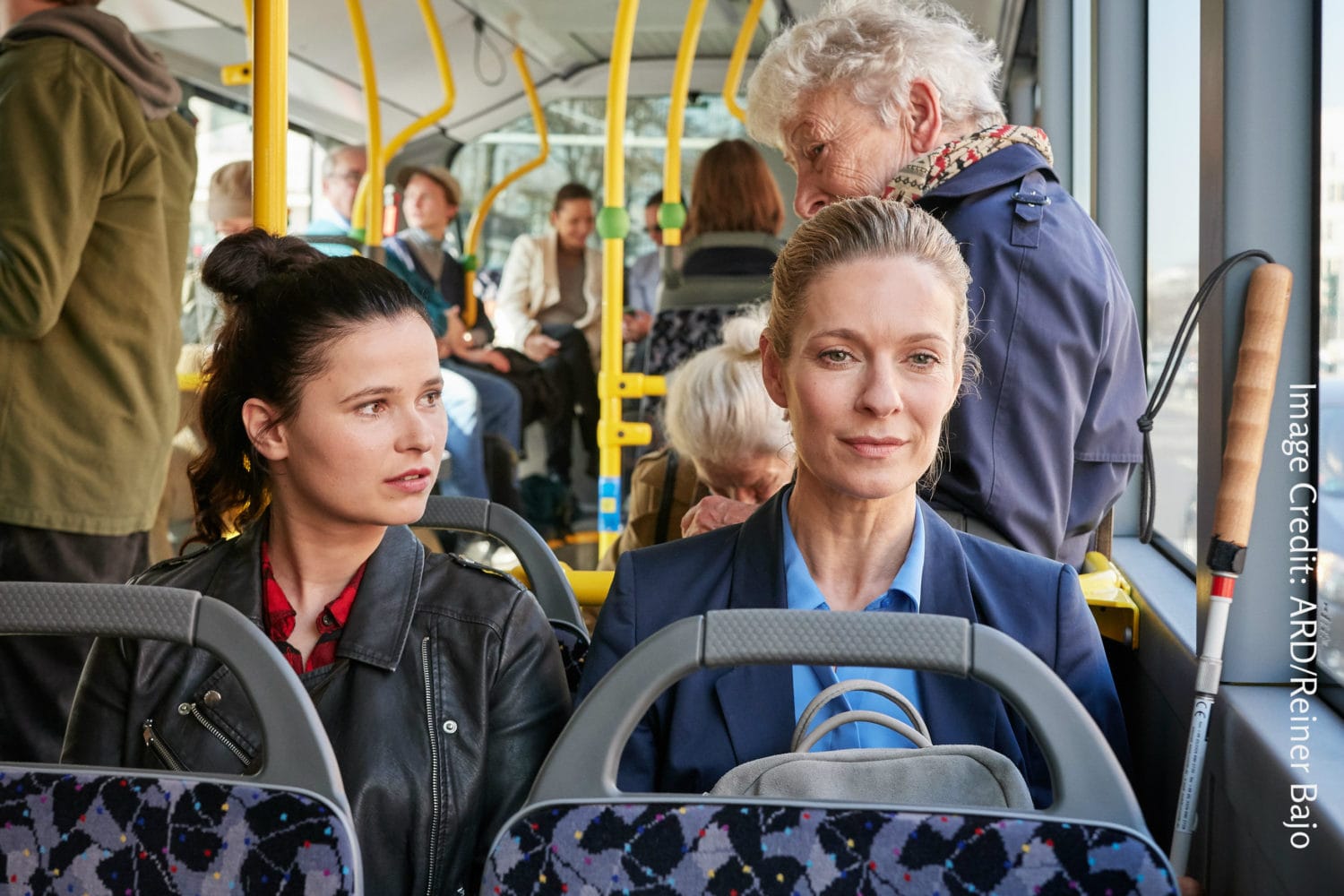
The new ARD prime­time show DIE HEILAND — WIR SIND ANWALT about a blind lawyer and her assis­tant is cur­rent­ly air­ing on Tues­days at 8:15 pm. The Ser­i­al Eyes par­tic­i­pants of 2018/​19 inter­viewed the head writer Jana Bur­bach and staff writer Niko Schulz-Dorn­burg (SE 2014/​15) about the mak­ing of the show.

Q: How did DIE HEILAND come about?

Jana: Die Hei­land is based on the auto­bi­o­graph­i­cal book by a Berlin-based and born-blind lawyer, Pamela Pab­st. The book was pub­lished about 6 years ago. Vio­la Jäger from Olgafilm optioned the film rights to that book and then start­ed to devel­op it. [The adap­ta­tion] was orig­i­nal­ly meant to be a TV-movie; then the RBB, the Berlin-Bran­den­burg broad­cast­er, decid­ed to turn it into a long-run­ning series. I took over from exist­ing mate­r­i­al by Silke Zertz. By the time Vio­la approached me, three scripts and three expos­es were ready, but they didn’t get through to the final approval by the ARD com­mis­sion­ing board. That was when I took over with Niko and the author Christoph Cal­len­berg. It was the sum­mer of 2016, I think.

Q: You said that it was based on a book by a real lawyer. She also had an assis­tant in real life? Were they both part of the cre­ative process?

Jana: Yes, we all met Pamela Pab­st. I actu­al­ly end­ed up spend­ing a lot of time with her, because for me [this project] rep­re­sent­ed a par­tic­u­lar chal­lenge. As a see­ing per­son, I think it is impos­si­ble to real­ly get [what it means to be blind], but I could start to empathize and could put that into the sto­ry and try to under­stand what it might mean for her assis­tant as well. We actu­al­ly went togeth­er on a jour­ney to Bochum, where she had a court case. I accom­pa­nied her all day – on the train, in the hotel, the next morn­ing, while eat­ing… it was through all these that I got first-hand expe­ri­ence.

Niko: You became her assis­tant!

Jana: Yes, and then the blind­ness start­ed com­ing to life in the scripts. Of course, I also con­sult­ed her for legal stuff and I end­ed up read­ing to her all the scripts. She was like “Jana, it’s real­ly not nec­es­sary, the com­put­er can read me the script.” I thought this would have been nicer, so I con­tin­ued. At the end, she asked me to keep on com­ing. I thought, “What have I got myself into?” [laughs], but actu­al­ly we became friends.

Read the whole inter­view with Jana Bur­bach

Pino Solanas is com­ing to DFFB

This week, there will be a prepa­ra­tion sem­i­nar with Peter B. Schu­mann und Enrique Sánchez Lan­sch for the mas­ter­class of Pino Solanas at the DFFB.

As part of the prepa­ra­tion week, there will be a lec­ture for stu­dents by Ben Gib­son on Wednes­day, Sep­tem­ber 26th:

Third Cin­e­ma, People’s News­reels and the Counter-Infor­ma­tion Cin­e­ma before and after the Latin Amer­i­can New Wave

Ben Gib­son will give a lec­ture illus­trat­ed by short clips which aims to put Solanas’ work, from La Hora de los Hornos onwards, in the aes­thet­ic and his­tor­i­cal con­text of wider “par­al­lel” and “alter­na­tive” cin­e­ma, both its ances­try and inher­i­tances up to today, from Eisen­stein to the Web Essay.

After 15 years Pino Solanas is vis­it­ing the DFFB and its stu­dents for the sec­ond time. Solanas’ first, and still most impor­tant fea­ture, La hora de los hornos, had reper­cus­sions across Latin Amer­i­ca and the world as a mod­el of a polit­i­cal­ly mil­i­tant cin­e­ma, by pro­vid­ing counter-infor­ma­tion to con­tra­dict the long-estab­lished dis­cours­es that nat­u­ralised social inequal­i­ties and pro­vid­ed cov­er for elites who, in coop­er­a­tion with for­eign cap­i­tal, exploit­ed the lands and peo­ples of the con­ti­nent. The film, in what Solanas dubbed a “cine-acto”, pro­vokes the spec­ta­tor to act through the use of cin­e­ma vérité and news­reel footage, inter­views, shock mon­tage and by inter­rupt­ing itself to call for debate.

Fer­nan­do Eze­quiel ‘Pino’ Solanas, born 16 Feb­ru­ary 1936, is an Argen­tine film direc­tor, screen­writer and politi­cian. His films include La hora de los hornos (The Hour of the Fur­naces, 1968), Tan­gos: el exilio de Gardel (1985), Sur (1988), El via­je (1992), La nube (1998) and Memo­ria del saqueo (2004), among many oth­ers. Since 2013, he has been a Nation­al Sen­a­tor rep­re­sent­ing the Autonomous City of Buenos Aires.

“What Does­n’t Kill Us” at the Locarno Film Fes­ti­val 2018

Michael Bertl (Head of Cin­e­matog­ra­phy at the DFFB) has been select­ed to par­tic­i­pate with his film “What Doesn´t Kill Us” (direct­ed by San­dra Net­tel­beck) at the Locarno Film Fes­ti­val 2018. The upcom­ing release in Ger­many will be on the 15th of Novem­ber 2018.

Syn­op­sis: As a divorced father of two teenage daugh­ters, with his ex-wife as best friend, too many pecu­liar patients and a new dog, psy­chother­a­pist Max doesn’t need anoth­er chal­lenge. But when Sophie, a com­pul­sive gam­bler with a boyfriend prob­lem, shows up late for her appoint­ment, she rocks his world and he falls in love with her. The more Max attempts to keep it pro­fes­sion­al, the more their lives get entan­gled. So how can he man­age to help her with­out get­ting involved? How can lov­ing her not lead to los­ing her alto­geth­er? Wrestling with his con­science and his heart, torn between the patient and the woman he loves, he has no choice but to stick to the famous air­plane rule: help your­self first before you can help oth­ers.

Trail­er

Locarno Film­fes­ti­val Pro­gram & Sec­tions

Łódź, FAMU and us!

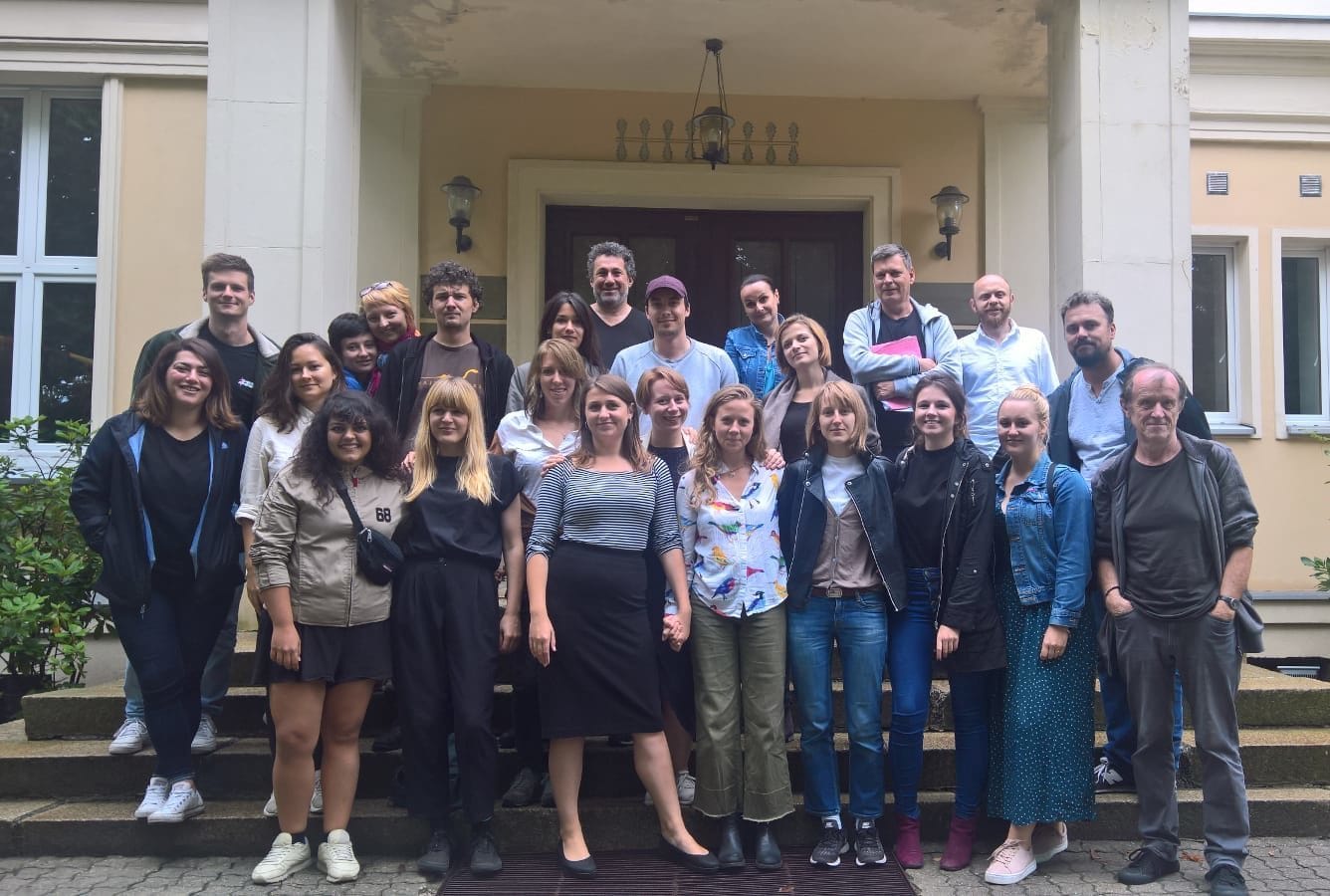
The Cen­tral Europe Fea­ture Project is a devel­op­ment pro­gramme for stu­dents and grad­u­ates of the three schools — LODZ, FAMU and DFFB. This week the inter­na­tion­al film groups have been work­ing at Łódź Film School .

more –>

Con­grat­u­la­tions to our grad­u­ates!

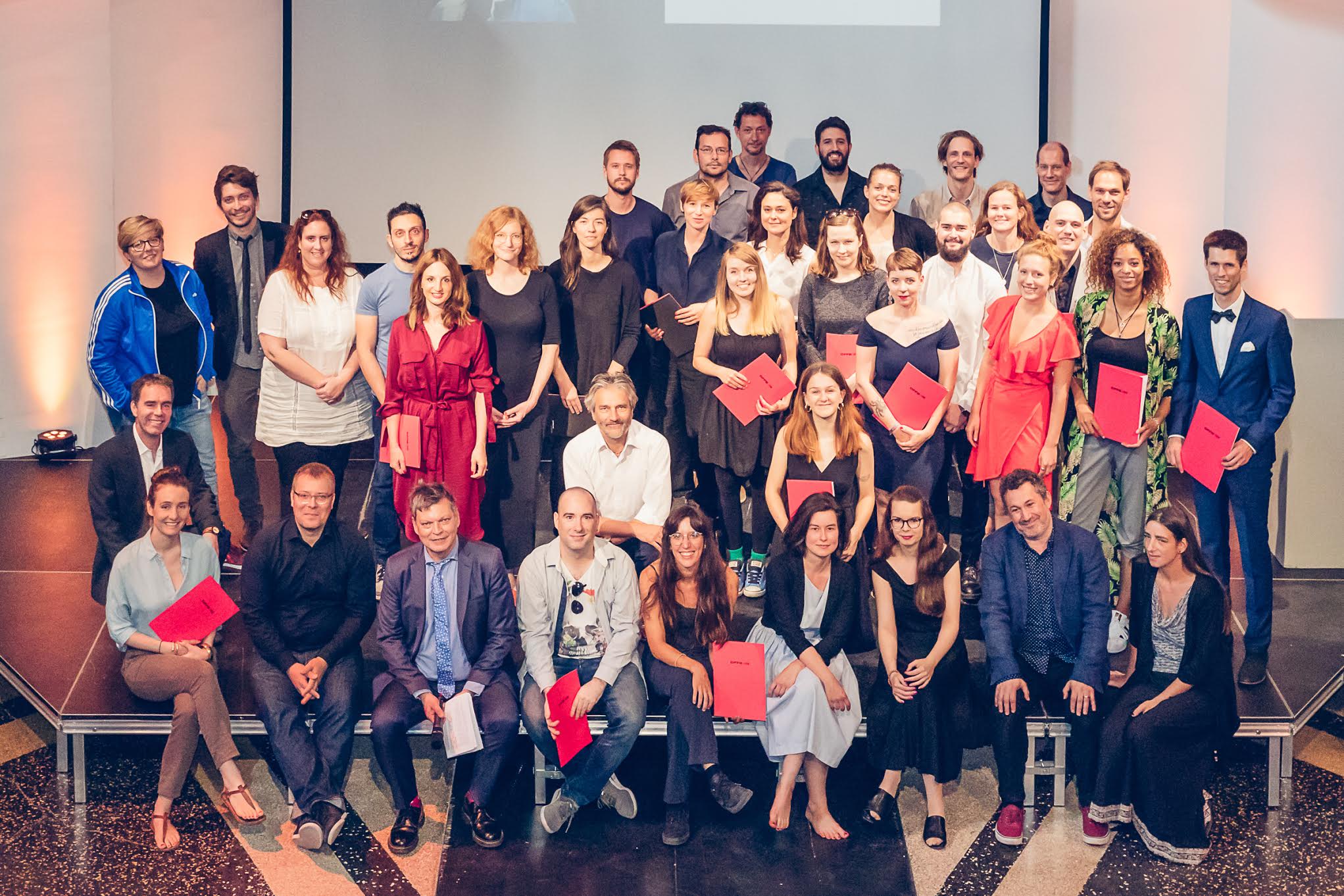
This Sat­ur­day, the DFFB passed its grad­u­ates for this year, while Edgar Reitz gave a speech on the future of Ger­man cin­e­ma. Con­grat­u­la­tions to our grad­u­ates, who have built artis­tic per­son­al­i­ties and went through a long process­es. We wish them a good start into the pro­fes­sion­al world.

Cen­tral Europe Fea­ture Project

The Cen­tral Europe Fea­ture Project (CEFP)

The Cen­tral Europe Fea­ture Project (CEFP) is a joint ini­tia­tive between the DFFB Berlin, FAMU Prague and Łódź film schools. It is an inten­sive fea­ture film devel­op­ment work­shop, tak­ing writer-direc­tor-pro­duc­er teams through the detailed stages of sto­ry and script devel­op­ment, and also bring­ing
par­tic­i­pants from dif­fer­ent schools and coun­tries togeth­er to incu­bate new teams and new projects.

more —>


The Cen­tral Europe Fea­ture Project was made pos­si­ble with the gen­er­ous fund­ing and sup­port of the VGF: